Ever wondered how health authorities chase down an invisible enemy that’s already boarded a plane to another continent? Welcome, dear reader. We’re glad you’re here. At FreeAstroScience.com, we break down tough science into words you can actually use. Today, we’re looking at the hantavirus scare on the MV Hondius, where 29 passengers from 12 countries walked off a ship on April 24, 2026, after the first death on April 11. Stay with us to the end. By the time you finish, you’ll understand exactly how contact tracing works, why the WHO calls it essential, and what stands between a single case and a full-blown epidemic.
📑 What You’ll Find in This Article
- What happened on the MV Hondius?
- What is contact tracing, really?
- Why does it matter for outbreaks?
- What are the 4 steps set by the WHO?
- Who counts as a “contact person”?
- Should testing be part of tracing?
- What does WHO say about hantavirus today?
- Final thoughts
Chasing a Virus Across Oceans: The Science of Contact Tracing
What Happened on the MV Hondius?
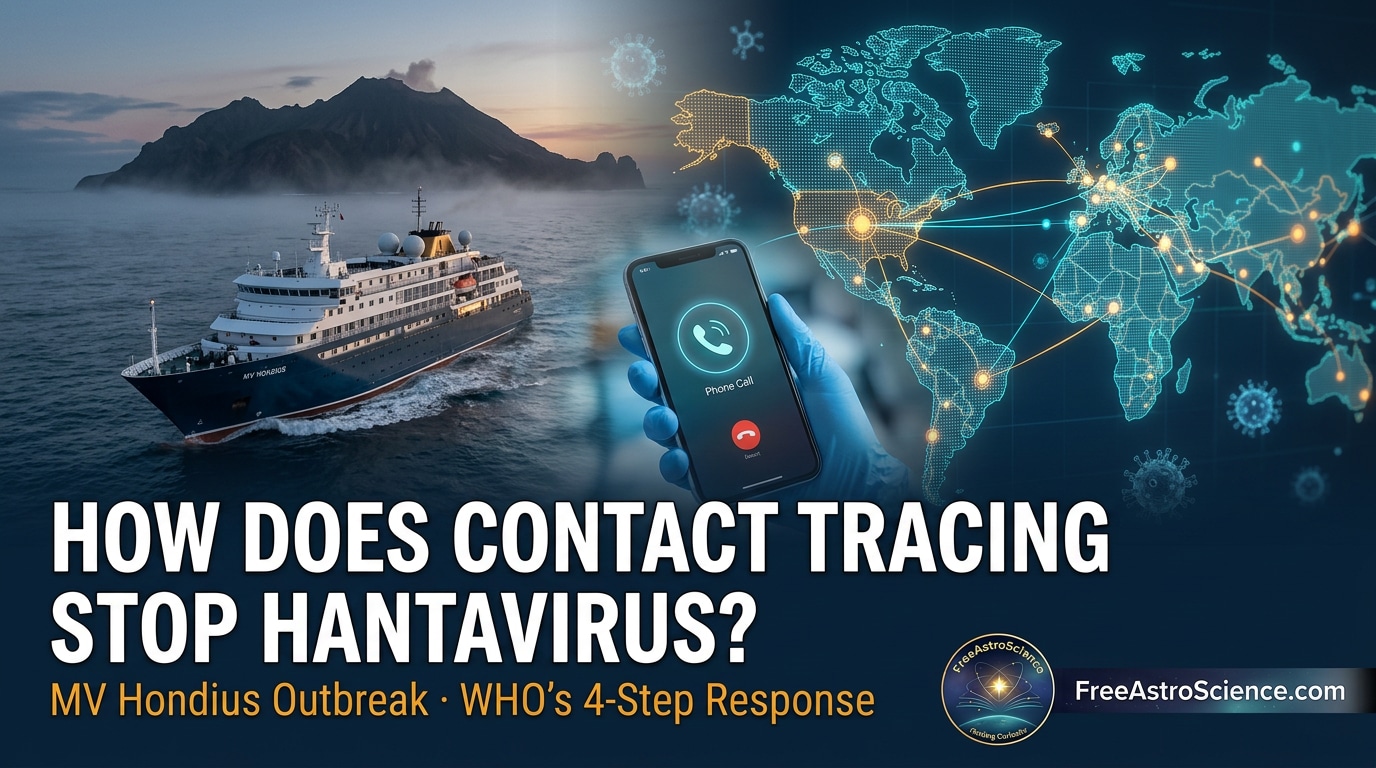
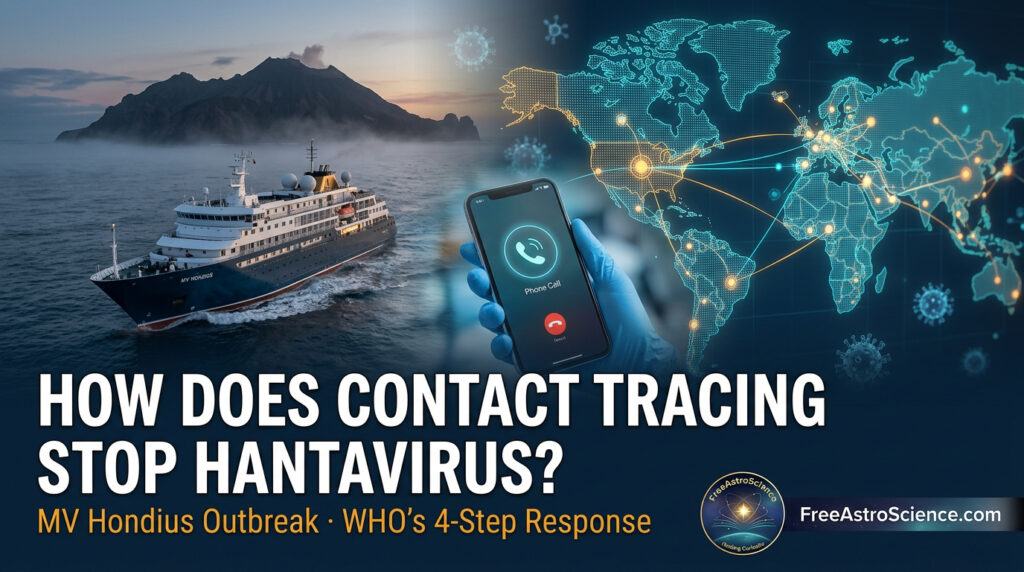
Let’s start with the facts. On April 11, 2026, a German passenger died aboard the MV Hondius. Only later did tests confirm hantavirus. By April 24, at least 29 passengers from 12 nationalities had already disembarked on the island of Saint Helena. They flew home. To the United States. Australia. The United Kingdom. Taiwan. The Netherlands. Switzerland.
Now picture this logistical nightmare. Health authorities have to find each person. Check their symptoms. Monitor them for weeks. All while the virus has an incubation period that stretches from one to six weeks, sometimes eight .
One KLM flight attendant who’d been near a victim was hospitalized in the Netherlands on suspicion. Good news? She tested negative in recent hours. That’s contact tracing doing its job.
WHO director Tedros Adhanom Ghebreyesus admitted more cases are possible “given the virus’s incubation period”. His colleague Maria Van Kerkhove, who heads the WHO Prevention Department, kept it calm: “This is not the start of an epidemic, not the start of a pandemic”. The risk? Currently rated “low”.
But “low” doesn’t mean “do nothing.” It means we trace every contact. Fast.
What Is Contact Tracing, Really?
You probably heard this phrase a thousand times during COVID-19. Here’s the WHO’s exact definition from its updated December 2024 guideline: contact tracing is “the systematic process of identifying, assessing, managing, and supporting contacts of infectious individuals” .
Translated into plain English? We find people who’ve been near a sick person. We warn them. We watch them. We help them get through it.
The goal is simple. Break the chain of transmission before one case becomes ten, and ten becomes ten thousand.
Why Does Contact Tracing Matter for Outbreaks?
The WHO published updated guidance in December 2024, after learning hard lessons from COVID-19 . They wrote it for 194 member states, Italy included .
Here’s what a good tracing operation actually achieves :
- Early detection: catching cases before they spread further
- Prophylaxis: giving preventive treatment where it exists
- Public health measures: isolation, quarantine, vaccination campaigns
- Better science: understanding how a new pathogen behaves
- Community education: telling people what the real risks are
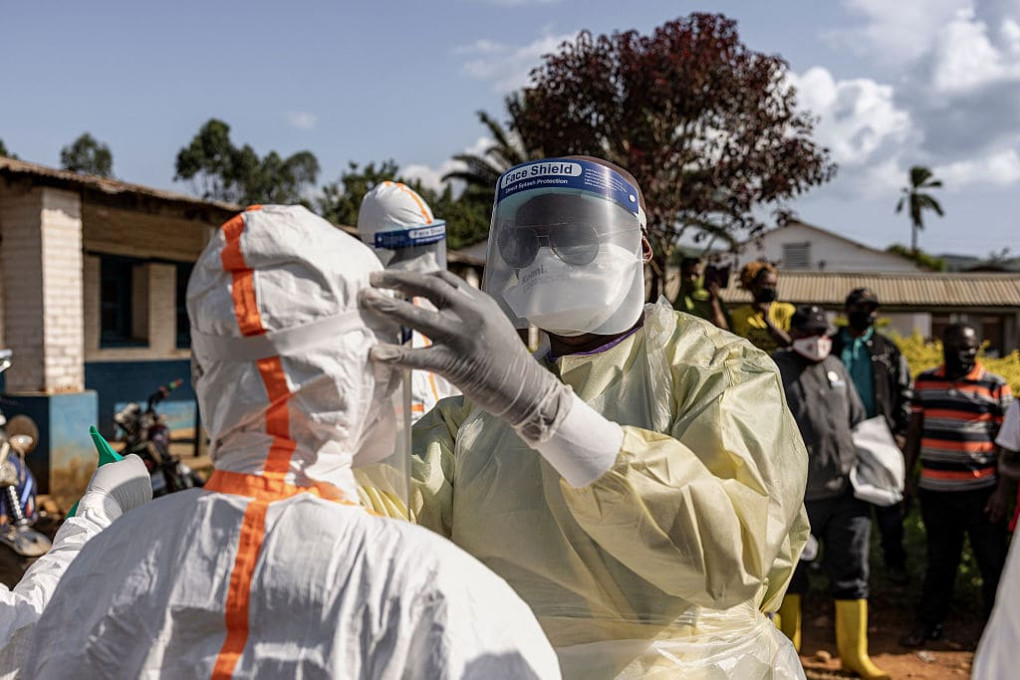
Contact tracing has been a staple strategy for decades against tuberculosis and Ebola . It’s not fancy. It works.
What Are the 4 Steps Set by the WHO?
The tracing process kicks off during case investigation. Each confirmed case gets interviewed. Where were you? Who did you meet? When did symptoms start? Then the tracing begins .
| Phase | Name | What Happens |
|---|---|---|
| 1 | Identification | Interview the case. Map their movements. List every possible contact: family, coworkers, healthcare workers. |
| 2 | Notification | Reach out to contacts. Explain risks. Share what to watch for. Discuss isolation or quarantine if needed. |
| 3 | Follow-up | Check by call, text, or visit. Test when useful. Restart tracing if a contact tests positive. |
| 4 | Support | Provide practical, medical, psychological, and informational help so people can comply with measures. |
How Does Phase 1 Work in Practice?
Imagine you’re a tracer. You sit down with a positive case. You ask about the last 21 days. You piece together a timeline: the dinner Tuesday, the train ride Thursday, the office meeting Friday .
For hantavirus, the window stretches longer. Up to eight weeks. That’s a lot of ground to cover .
What About Digital Tools?
Modern tracers use apps, proximity tracking, and digital surveys. The WHO acknowledges these tools are emerging, and their full value is still being studied . The human element? Still essential. Tracers need community trust, not just software .
Who Counts as a “Contact Person”?
The WHO defines a contact person as someone exposed to a pathogen through direct or indirect contact with an infectious person . Risk depends on six factors :
- The pathogen’s mode of transmission
- Clinical features (incubation period, infectious period, symptoms)
- Duration of exposure
- Physical distance and protective equipment
- The person’s own susceptibility (immune status)
- Type of interaction
A family member sharing a home with a sick person? High risk. Someone who passed them briefly in a supermarket? Much lower .
What’s the Difference Between “Sensitive” and “Specific” Definitions?
This part matters. A sensitive definition catches almost everyone who might be exposed, including many who weren’t actually infected. A specific definition only catches the truly infected, but misses some people .
Early in an outbreak, with an unknown pathogen like a new hantavirus strain, health authorities lean toward sensitive definitions. Better to monitor too many than miss too few .
Should Testing Be Part of Tracing?
In its 2024 guideline, the WHO suggested testing should be added to contact tracing, though with low-certainty evidence . Why the caution? Because the benefit depends on the disease.
For viruses where asymptomatic people can spread infection, testing helps catch silent cases . For diseases like Ebola, where only symptomatic people are contagious, testing serves mainly to diagnose and manage active cases .
Testing also works as a “test to release” tool. A negative result can shorten quarantine and send people back to work sooner.
What Does WHO Say About Hantavirus Today?
The WHO has asked countries to stay alert among travelers, ship crews (including sanitation workers), and transport staff returning from areas with known hantavirus presence. They’ve also flagged ecotourism vehicles passing through those zones.
Three priorities stand out:
- Early recognition of suspected cases
- Rapid isolation
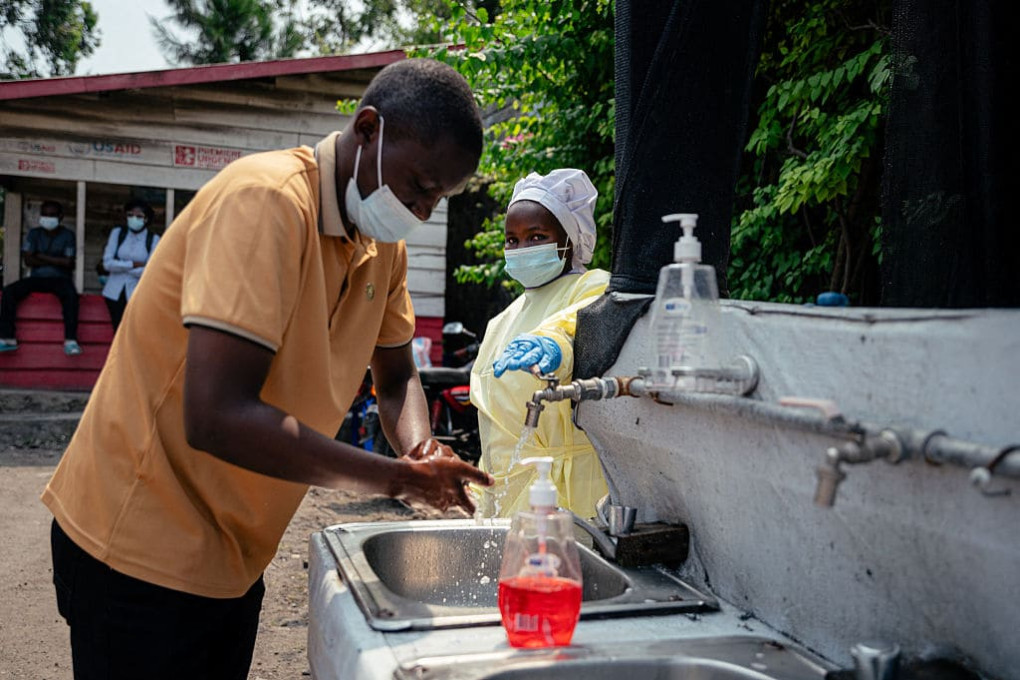
- Consistent infection prevention and control measures to protect health workers
Most of the 29 passengers from the MV Hondius are now being monitored across their home countries . Many are in isolation. Some have symptoms. Others have already tested negative . The tracing web holds.
Final Thoughts
Contact tracing isn’t glamorous. No lab coats on TV. No dramatic reveals. Just patient, disciplined work by people making phone calls, filling out forms, and knocking on doors. Yet this quiet practice is what separates a contained outbreak from a catastrophe.
The MV Hondius situation shows both the fragility and the strength of our global response. Twenty-nine people, twelve countries, one ship, and a virus with an eight-week incubation period. The system is stretched. But it’s working.
We wrote this article just for you, our dear reader, here at FreeAstroScience.com, where we explain complex scientific principles in simple terms. We believe you should never switch off your mind. Keep it active, always. Because the sleep of reason breeds monsters. Come back soon. Keep thinking with us.
📚 Sources
- World Health Organization. WHO Guideline on Contact Tracing, December 2024. ISBN 978-92-4-010296-5. WHO IRIS
- Geopop / Lanza, A. (2026). Che cos’è il contact tracing e come funziona il tracciamento dei contagi per fermare il focolaio di un virus come l’hantavirus.
- WHO statements from Tedros Adhanom Ghebreyesus and Maria Van Kerkhove, reported May 2026.
- WHO European Region (2013). Guidelines for measles and rubella outbreak investigation and response.
- WHO Africa Region (2014). Contact tracing during an outbreak of Ebola virus disease.