Hello, beautiful and intelligent reader. My name is Matthew Brahm, AKA “MattyAtoms.” At the time of writing this, the four astronauts of the Artemis II mission are barreling toward the moon at 2428 mph (3907 kph), getting ready to loop around the far side of the moon and come back. As of writing this (April 4, 2026), Artemis III plans on testing the commercial lander from either Blue Origin or Space X, and Artemis IV will land boots on the moon. This is all subject to change still, and recently underwent a major change. You see, the United States of America has recently updated it’s National American Space Policy, which essentially calls for complete superiority and dominance of outer space. The Artemis Program has expanded greatly, and now we are talking about moon bases, nuclear-powered rockets to Mars, and more!
Since I’m not just an outer space nerd but also a geography nerd, it really made me want to make a video series about the moon’s geography, and why we choose to land in the sites that we do. This article is the companion to the video series – I’ll update it and embed the new videos as they come out. I plan on covering every bot or boot that has touched down on the surface of the moon – ever. To keep this article and video series in-scope, we won’t be going over flybys and orbiters – just landings.
Part 1: 1966-1971 – From Luna 9 To Apollo 14
Section 1: Quick Lunar Geography Primer
When humans first went to the Moon, they didn’t land on the biggest crater, they didn’t land on the tallest mountain. They picked the flattest, safest, most boring real estate they could find, and that decision tells us a ton about lunar geography. Before we get into why we landed where we did, let’s do a quick primer on lunar geography.
The Moon is Earth’s only natural satellite and our closest celestial neighbor — hanging out about 384,000 km (238,855 mi) away, cosmic backyard stuff. It’s about a quarter the diameter of Earth, but only about one-eightieth the mass. That’s why gravity up there is just one-sixth of what we feel here. You could dunk a basketball on the Moon. You probably shouldn’t — but you could. It’s less dense than Earth because it’s missing a big iron core — it’s mostly rocky mantle material, likely blasted off Earth after a giant impact billions of years ago. It has no real atmosphere — just a whisper-thin exosphere made of stray atoms like helium and sodium that are constantly being blasted away by the solar wind and then replenished by micrometeorite impacts. No wind. No weather. No sound.
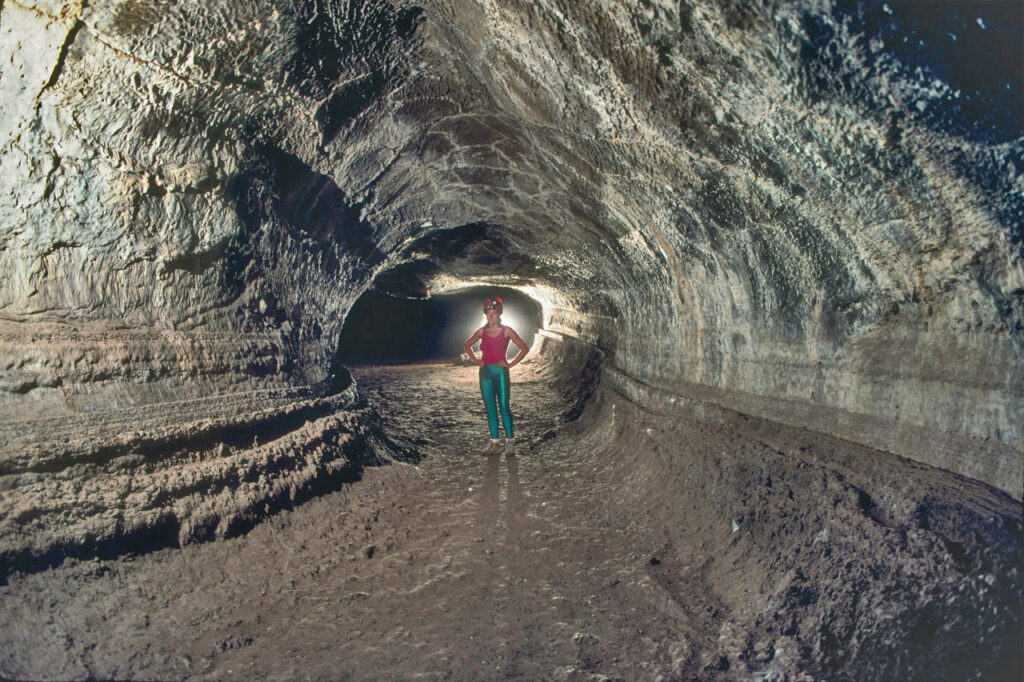
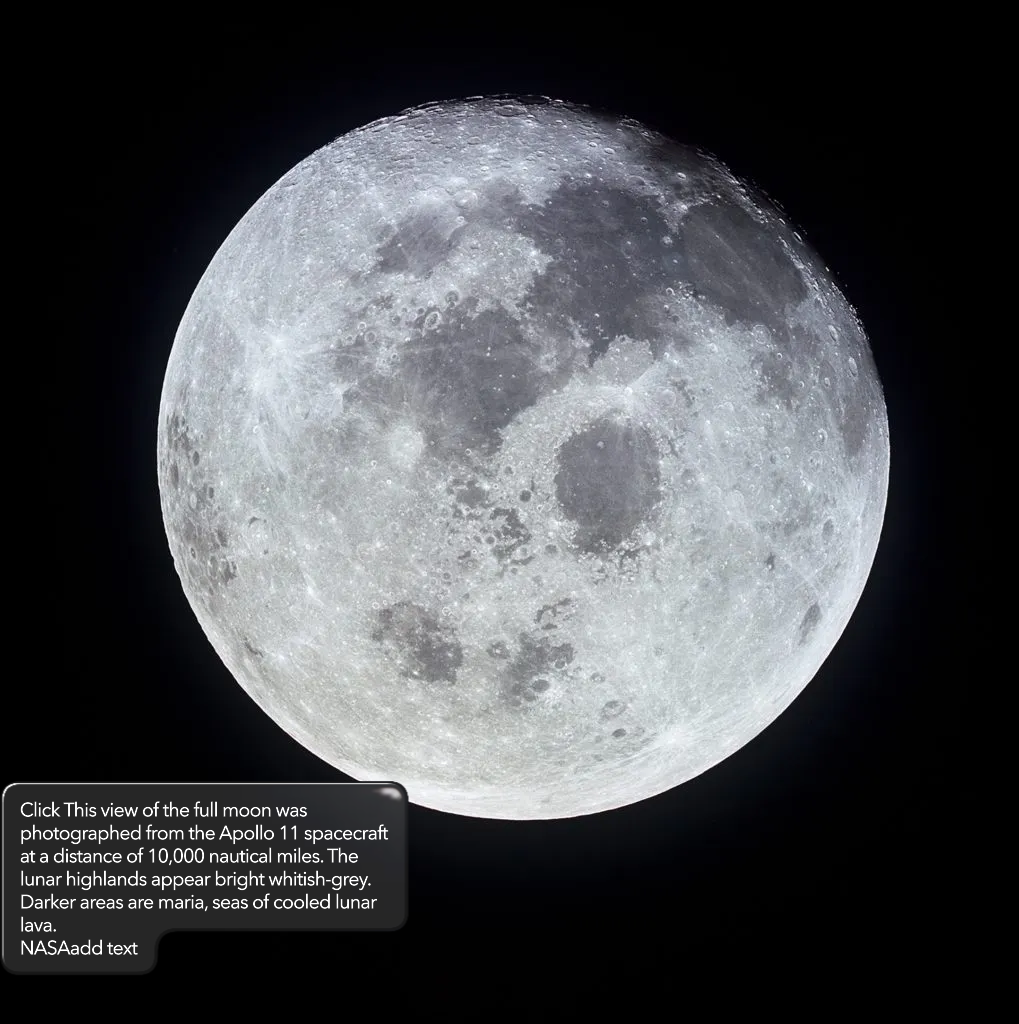
One lunar day lasts about 29 and a half Earth days because the Moon is tidally locked to us — which means two weeks of brutal sunlight followed by two weeks of pitch-black cold. Surface temperatures swing from about 127°C in daylight to −173°C at night (261°F to -279°F). It’s covered in dark basalt plains called maria — ancient lava floods — and bright, heavily cratered highlands that record billions of years of impacts. Under that dusty surface? Lava tubes. Massive ones. Potentially big enough to hide entire bases from radiation. This isn’t just a rock in the sky. It’s a frozen geologic time capsule. It changes the tides, it has influenced religions, politics, our calendars, and almost every aspect of our life. It is a beautiful enigma that has both inspired and stoke fear in the hearts of men.
Section 2: Soviets First (Luna 9 & Luna 16)
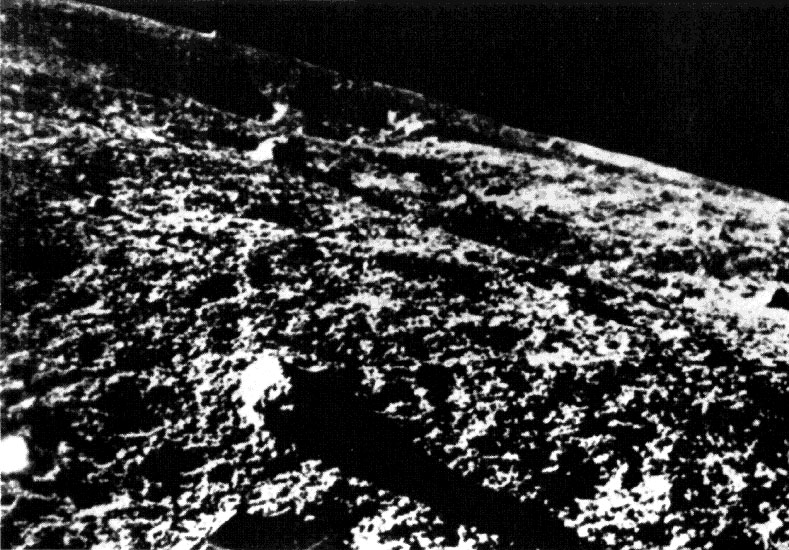
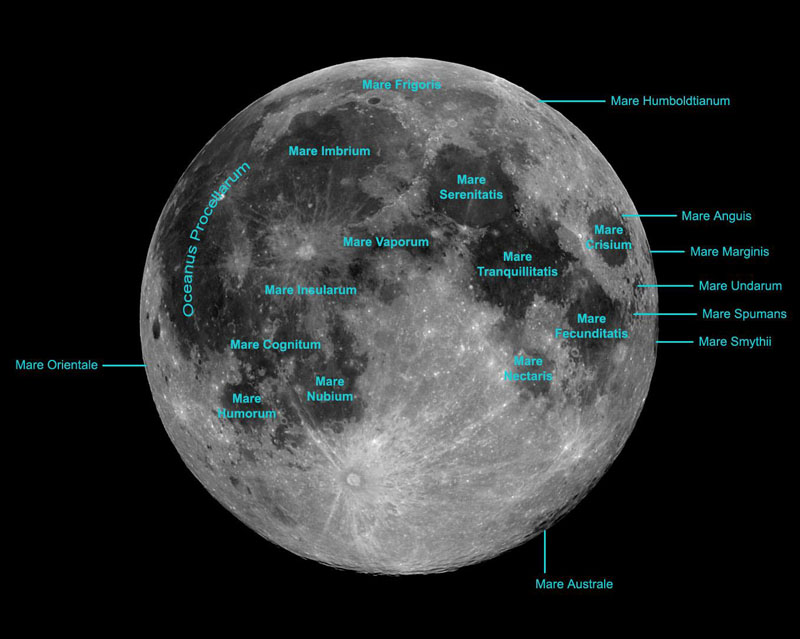
Before humans set foot on the Moon, the Soviet Union landed machines. In 1966, Luna 9 became the first spacecraft to achieve a soft landing on another world. It touched down in the largest lunar basaltic plane – or mare – the Oceanus Procellarum. This mattered more than most realize. At the time, some scientists worried the moon might be covered in deep, fluffy dust that would swallow a spacecraft whole. Luna 9 proved the surface was solid enough to support weight. Geographically, that was a gamechanger.
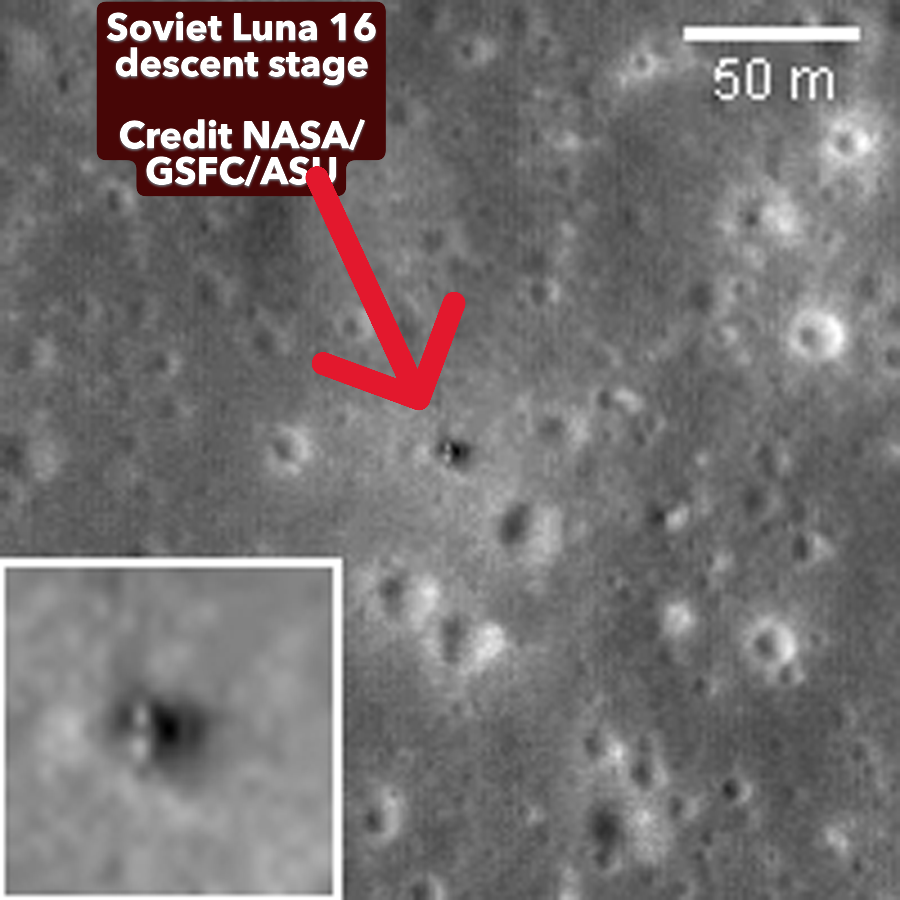
Then in 1970, Luna 16 landed in The Sea of Fertility and brought lunar soil back to Earth robotically. Before Apollo 14 ever flew, the Soviets had already pulled off an automated sample return. JFK even joked around famously in a speech in Philadelphia on October 29, 1960 (about the soviets) that “You may be ahead of us in rockets, but we are ahead of you in color television.’ (Laughter filled the room) I would rather take my television black and white and have the largest rockets in the world.” This was in response to a comment that Nixon made, saying that we may be behind in space, but we are ahead in consumer goods.” So many in the US was aware that we were behind in the space – but that was all about to change.

Section 3: Apollo 11 – The Safe Bet
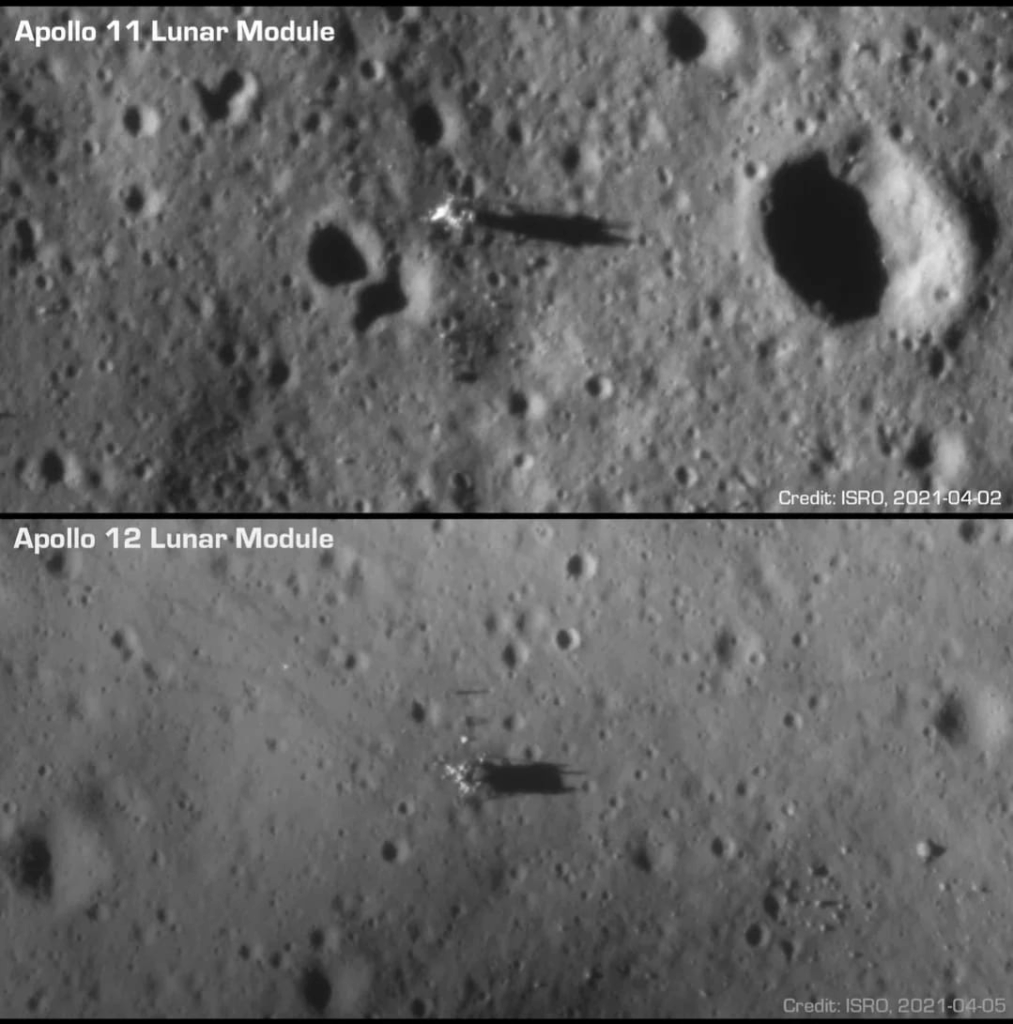
Then came Apollo 11. Landing site: The Sea of Tranquility. Why here? Because it was flat. Mare regions are ancient lava plains formed billions of years ago when molten basalt flooded massive impact basins. Compared to the highlands, they have: fewer steep slopes, fewer large boulders, and smoother overall terrain. NASA needed Gentle surface slopes, predictable lighting, near-equatorial location for orbital mechanics, and direct radio communications with Earth.
This was about survival. Apollo 11 didn’t land where it was the most interesting, it landed where they were the most likely to survive. Even with picking the safest possible landing site, Neil Armstrong still had to manually fly past a dangerous bolder field before touching down. Geographically, this site represents the moons volcanic past. The samples confirmed the maria are solidified lava – not seas, not sediment, but frozen basalt oceans.

Section 4: Apollo 12 – Precision & Regional Diversity
Just months later, Apollo 12 landed in Oceanus Procellarum: Still a mare, still basalt. However, this wasn’t the same basalt. The chemistry differed from Apollo 11’s site, showing that lunar volcanism wasn’t uniform. Not all maria are the same. Apollo 12 also intentionally landed near the robotic Surveyor 3 probe. This wasn’t just exploration anymore, it was precision. Geographically, this expanded our understanding of regional variation across the Moon’s lava plains.
To put this in perspective, Jarad Isaacman was recently talking about how we need to try to launch an SLS rocket for the Artemis mission once per year. We aren’t close to there yet, but during the early 70’s we were launching some rockets to the moon just months apart – pretty wild to consider.
Section 5: Apollo 14 – Into the Highlands
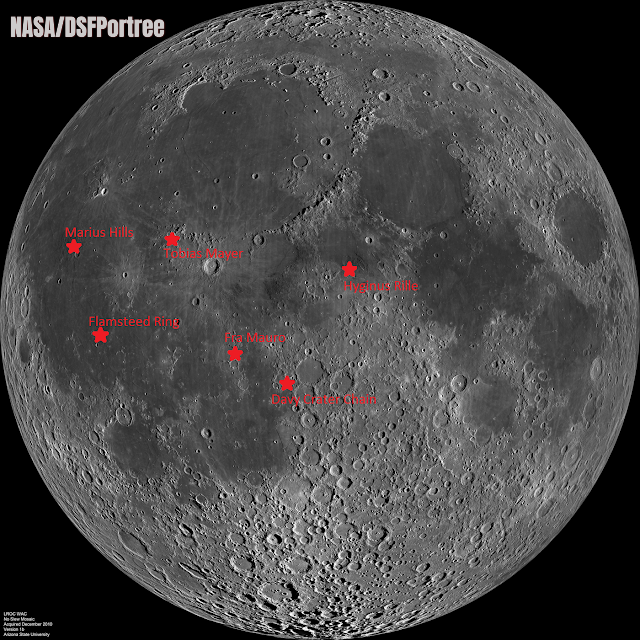
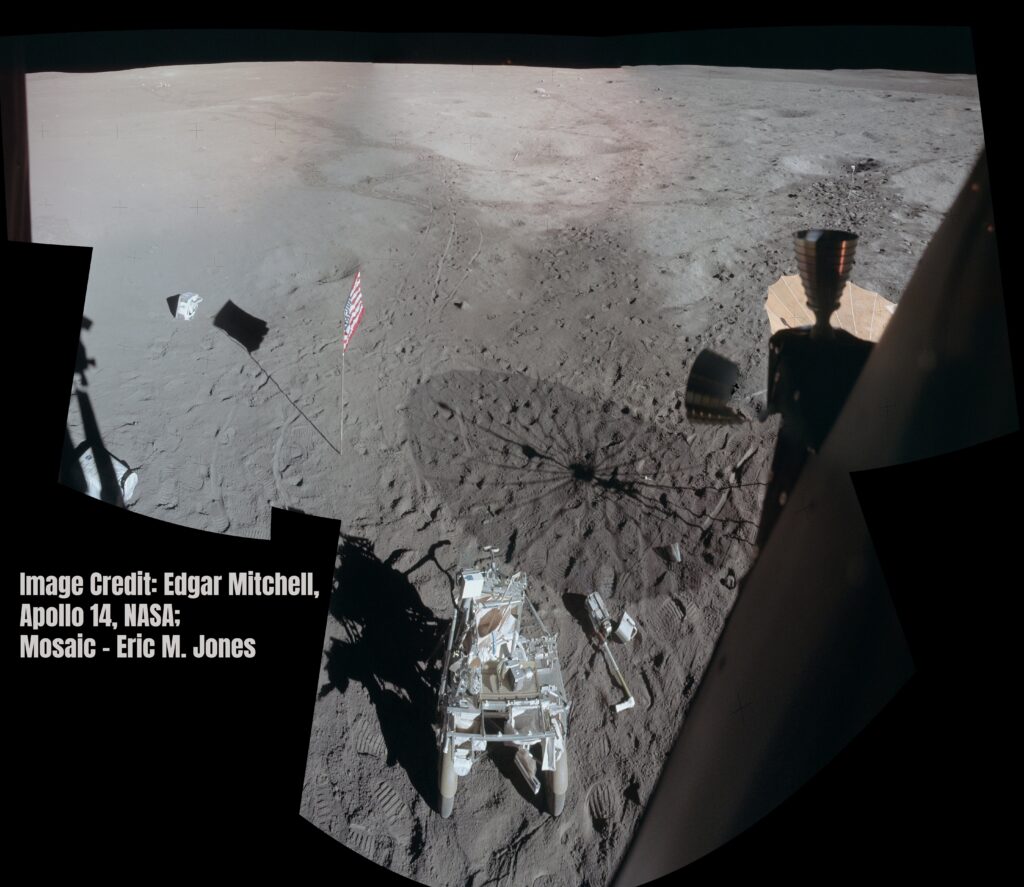
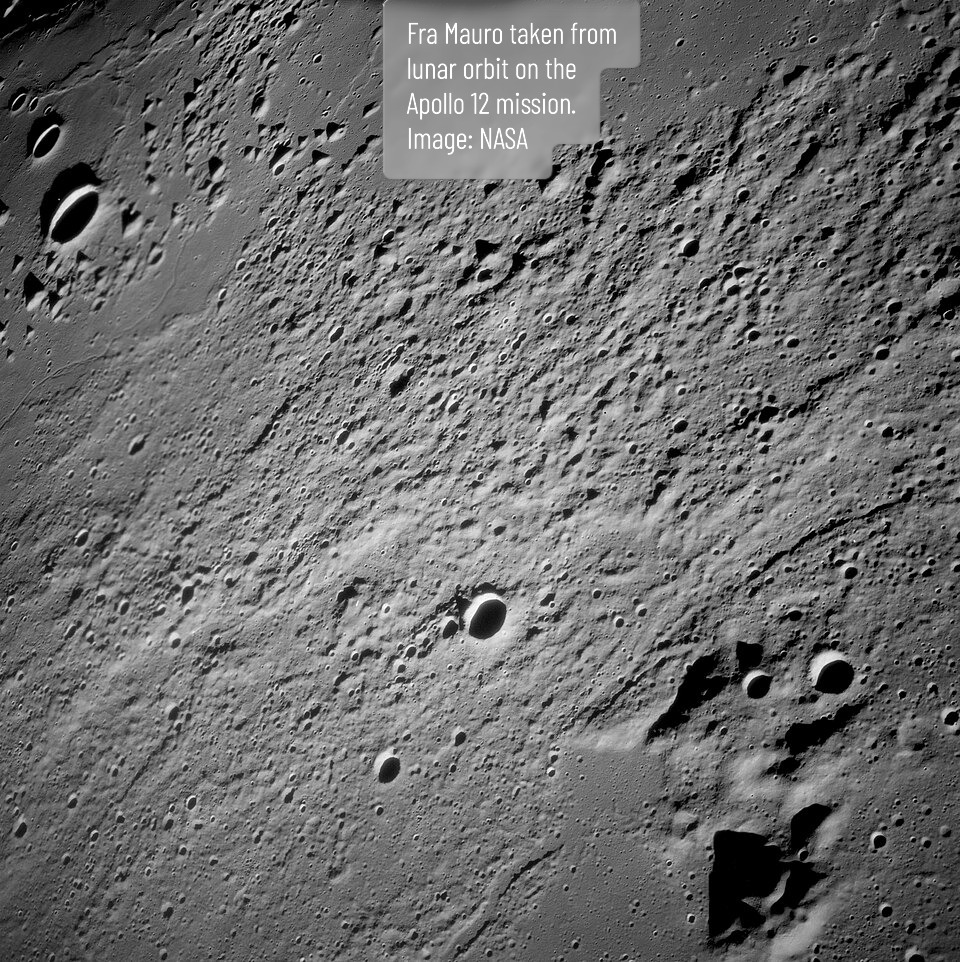
Then came Apollo 14. Landing site: Fra Mauro Formation. Now we leave the smooth maria and step into rugged highlands terrain.
The highlands are:
- Older
- Brighter
- Heavily cratered
- Higher elevation
Fra Mauro is believed to contain ejecta thrown out from the massive Imbrium impact basin — one of the largest collisions in lunar history. This wasn’t about flat lava anymore; this was about impact history. By sampling Fra Mauro, scientists were effectively studying debris blasted out from deep within the Moon’s crust billions of years ago. If the maria are lava oceans, the highlands are scar tissue.
Conclusion / Teaser For Next Part
In just a handful of landings — robotic and human — we sampled three major lunar terrains:
Basalt plains.
Regional volcanic variation.
Ancient impact ejecta.
These weren’t random dots on a map, they were deliberate geographic choices, and we’re just getting started! We haven’t even talked about:
The mountains.
The rilles.
The far side.
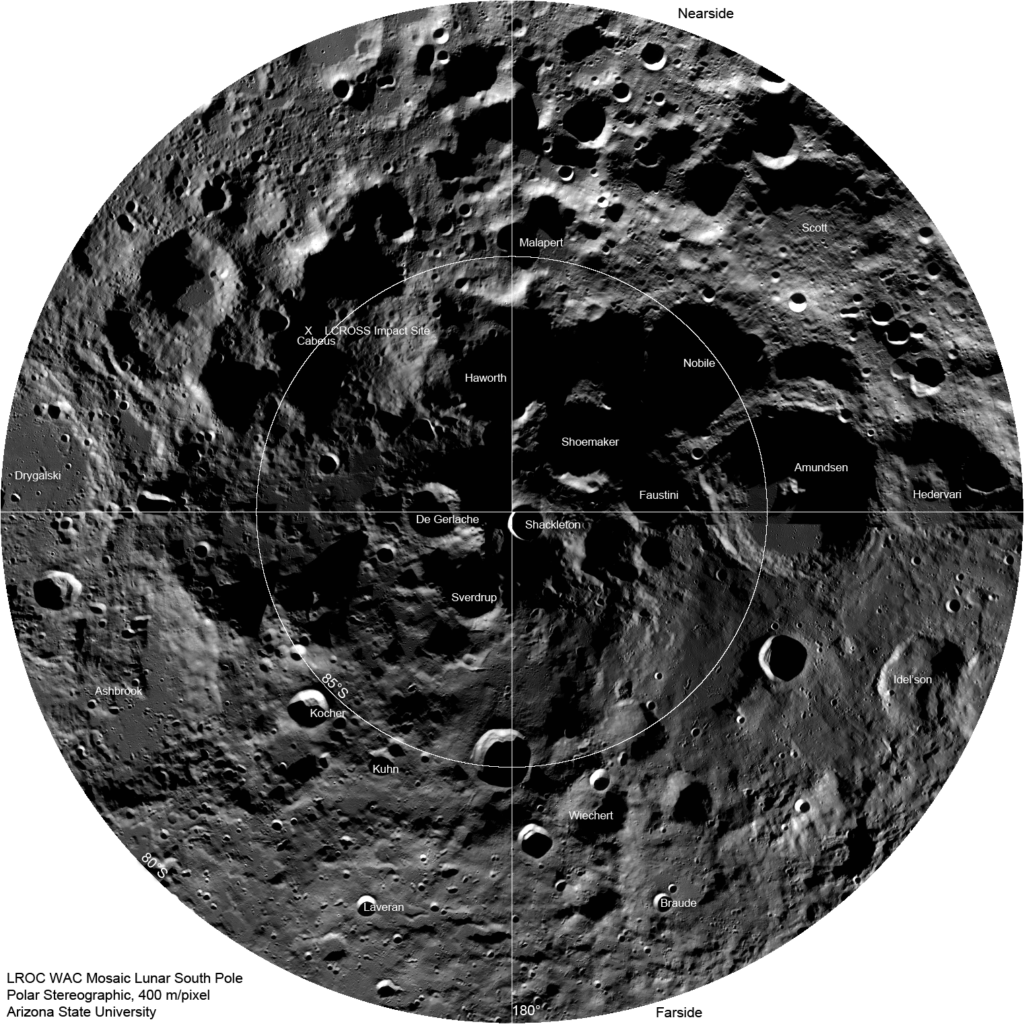
Or the south pole — where the next space race is already unfolding.
This isn’t just a rock in the sky. It’s a world with regions, borders, and history written in stone, and in this series… we’re mapping it.
About the Author / More from Matty
Matthew Brahm, AKA “MattyAtoms” is an Army PATRIOT Missile Veteran, IT Network Technician, Space Journalist, & overall science and tech geek. He has a bachelor’s degree in Computer Information Systems Management from Post University in Waterbury, CT. He spends his free time creating videos and articles about various outer space topics – ranging from the Moon and Mars to comets & meteors to fun space simulations using popular games like Universe Sandbox, No Man’s Sky, and SpaceEngine.
If you liked this article, please check out my similar series on Youtube – the Martian Geography series. In this series (7 parts so far), we go over the same ideas for Mars. Where are the most ‘habitable’ areas for a colony, where are the biggest mountains and deepest depressions, where is the water, and more! Check those videos out below.