The Silent Predator: Hantavirus in 2026
Have you ever wondered how a tiny virus, hidden in the shadows of our world, can suddenly spark fear across continents?
Welcome to FreeAstroScience.com, where we break down the science behind the headlines and help you keep your mind sharp—because the sleep of reason breeds monsters. Today, we’re diving into the latest hantavirus updates for 2026. From a dramatic cruise ship outbreak to the science of how this rodent-borne virus spreads, we’ll walk you through everything you need to know. Stick with us to the end for a clear, honest look at symptoms, prevention, and the race for a vaccine. You’re not alone in this—let’s face the facts together.
- Breaking News: The 2026 Cruise Ship Outbreak
- What’s Happening in the Americas?
- What Is Hantavirus? Biology & Strains
- How Does Hantavirus Spread?
- Symptoms & Clinical Syndromes: HPS vs HFRS
- How Do We Diagnose Hantavirus?
- What Are the Treatment Options?
- Global Epidemiology: Who’s at Risk?
- How Can You Prevent Hantavirus?
- Where Are We With Hantavirus Vaccines?
- Final Thoughts
Breaking News: The 2026 Cruise Ship Outbreak
In May 2026, the world watched as a Dutch-flagged cruise ship, the MV Hondius, became the center of a hantavirus storm. The ship, which set sail from Ushuaia, Argentina, crossed the South Atlantic and was off the coast of Cabo Verde, heading for Tenerife, Spain, when the first cases appeared. Eight people—six confirmed, two probable—fell seriously ill. Three died. The culprit? Andes virus, the only hantavirus known to spread from person to person, though only with close, prolonged contact.
Symptoms hit hard and fast: severe respiratory illness, pneumonia, and shock. At least two passengers had traveled in South America before boarding, possibly picking up the virus there. The World Health Organization (WHO), European Centre for Disease Prevention and Control (ECDC), US Centers for Disease Control and Prevention (CDC), and Pan American Health Organization (PAHO) jumped into action. Diagnostic kits were shipped to five countries. All passengers and crew were told to monitor for symptoms for 45 days.
The good news? The risk to the general public in Europe and the US is very low. No travel or trade restrictions have been recommended. But this outbreak is a stark reminder: viruses don’t need passports.

What’s Happening in the Americas?
Let’s look at the numbers. In 2025, eight countries in the Americas reported 229 hantavirus cases and 59 deaths—a case fatality rate of 25.7%. Bolivia and Paraguay saw the biggest jumps. In Paraguay, 27 people got sick and six died, mostly linked to work-related exposure. PAHO sounded the alarm in December 2025, warning of rising cases and deaths, especially in the Southern Cone.
In 2024, most countries saw cases within expected ranges, but some reported increases. The Americas remain the region with the highest number of hantavirus pulmonary syndrome (HPS) cases, and the numbers remind us that vigilance is key.
What Is Hantavirus? Biology & Strains
Hantavirus isn’t just one virus—it’s a family of rodent-borne viruses. Each strain has its own favorite rodent host and its own way of making us sick.
- Structure: Hantaviruses are enveloped, negative-sense, single-stranded RNA viruses. Their genome has three segments: S (nucleocapsid protein), M (glycoproteins Gn and Gc), and L (RNA polymerase).
- How it works: The virus enters our cells using β3 integrin receptors. Old World strains (like Hantaan) use clathrin-dependent endocytosis; New World strains (like Andes and Sin Nombre) use a different route.
- Where it lives: Each strain sticks with a specific rodent. The virus doesn’t make the rodent sick, but the rodent sheds it in urine, droppings, and saliva.
Here’s a quick look at the major strains:
| Virus | Disease | Rodent Host | Region | Case Fatality Rate |
|---|---|---|---|---|
| Sin Nombre | HPS | Deer mouse (Peromyscus maniculatus) | North America | 30–40% |
| Andes | HPS | Long-tailed pygmy rice rat (Oligoryzomys longicaudatus) | South America | 35–50% |
| Hantaan | HFRS | Striped field mouse (Apodemus agrarius) | East Asia | 5–15% |
| Seoul | HFRS | Norway rat (Rattus norvegicus) | Worldwide | <1% |
| Puumala | NE (mild HFRS) | Bank vole (Myodes glareolus) | Europe | <1% |
How Does Hantavirus Spread?
Most people catch hantavirus by breathing in dust contaminated with rodent urine, droppings, or saliva. Cleaning out a shed, sweeping a barn, or even just living in a rodent-infested home can put you at risk. The virus can survive outside a host for days or even weeks.
- Direct contact: Touching contaminated materials or getting bitten by a rodent can also spread the virus.
- Food: Rarely, eating food contaminated with rodent excreta can cause infection.
- Person-to-person: Only Andes virus has been proven to spread this way, and it usually takes close, prolonged contact—think family members or caregivers.
- Pet rats: Seoul virus can spread from pet rats to humans.
- Breast milk: There’s some evidence Andes virus might spread this way, but it’s rare.
Symptoms & Clinical Syndromes: HPS vs HFRS
Hantavirus doesn’t play fair. It can hit the lungs (HPS) or the kidneys (HFRS), and both can be deadly.
Hantavirus Pulmonary Syndrome (HPS)
- Incubation: 1–8 weeks after exposure
- Early signs (3–5 days): Fatigue, fever, muscle aches, headache, dizziness, stomach upset (about half of cases)
- Cardiopulmonary phase (4–10 days in): Sudden cough, shortness of breath, fluid in the lungs, low blood pressure, shock—sometimes within 24 hours
- Fatality rate: 38–50%
Hemorrhagic Fever with Renal Syndrome (HFRS)
- Incubation: 1–2 weeks (up to 8 weeks)
- Early signs: Sudden headache, back and belly pain, fever, chills, nausea, blurred vision
- Later: Low blood pressure, leaky blood vessels, internal bleeding, kidney failure, low urine output followed by lots of urine
- Recovery: Can take weeks or months
- Fatality rate: Less than 1% (Puumala) to 5–15% (Hantaan/Dobrava)
| Feature | HPS | HFRS |
|---|---|---|
| Incubation | 1–8 weeks | 1–2 weeks (up to 8) |
| Early Symptoms | Fever, muscle aches, GI upset | Fever, headache, back pain |
| Progression | Pulmonary edema, shock | Renal failure, shock, bleeding |
| Diagnosis | ELISA IgM/IgG, PCR, IHC | ELISA IgM/IgG, PCR, IHC |
| Treatment | Supportive, ICU, ECMO | Supportive, dialysis, ribavirin (early) |
| Fatality Rate | 38–50% | <1–15% (virus-dependent) |
How Do We Diagnose Hantavirus?
Doctors use a few main tools:
- ELISA: Looks for hantavirus-specific IgM and rising IgG antibodies in your blood.
- RT-PCR: Detects viral RNA during the first 14 days of illness.
- Immunohistochemistry (IHC): Finds viral antigens in tissue samples.
Testing too early (within 72 hours of symptoms) can give a false negative. If hantavirus is still suspected, doctors repeat the test after 72 hours. All testing should happen in high-containment labs—this virus isn’t something you want loose in the air.
What Are the Treatment Options?
There’s no magic bullet for hantavirus. Here’s what works:
HPS (Hantavirus Pulmonary Syndrome)
- Supportive care: Intensive care is a must. Doctors manage fluids, monitor the heart, give oxygen, and use mechanical ventilation if needed.
- ECMO: In severe cases, extracorporeal membrane oxygenation (ECMO) can boost survival up to 80%.
- Antivirals: Ribavirin doesn’t work for HPS and isn’t recommended.
- No vaccine: None available in the US or Europe.
HFRS (Hemorrhagic Fever with Renal Syndrome)
- Supportive care: Hydration, electrolyte balance, blood pressure control.
- Dialysis: For severe kidney failure.
- Ribavirin: Early intravenous ribavirin can help, especially with Hantaan virus.
- No widely available vaccine: Only in China and South Korea.
Global Epidemiology: Who’s at Risk?
Hantavirus isn’t rare worldwide, but the risk depends on where you live and what you do.
| Region/Country | Annual Cases | Main Syndrome | Case Fatality Rate | Notes |
|---|---|---|---|---|
| China | 10,000–60,000 | HFRS | 1–15% | Highest global burden |
| Russia | ~8,000 | HFRS | 1–15% | Highest in Europe |
| Finland | 1,000–3,000 | HFRS | <1% | Highest per capita in Europe |
| Germany | Up to 2,000+ | HFRS | 1–15% | Year-to-year variability |
| South Korea | 300–600 | HFRS | 1–15% | Stable |
| Americas (2025) | 229 | HPS | 25.7% | 8 countries, 59 deaths |
| United States | 15–40/year | HPS | 35–38% | 890 total since 1993; 94% west of Mississippi |
| Europe (2023) | 1,885 | HFRS | Not stated | 28 EU/EEA countries |
Who’s most at risk? Farmers, forestry workers, military personnel, and anyone living or working in rural, rodent-heavy areas. In the US, most cases happen west of the Mississippi, especially in the Four Corners region.
Seasonal patterns: HFRS peaks in late spring and autumn (when rodent populations boom). HPS outbreaks often follow wet winters.
How Can You Prevent Hantavirus?
You can’t see the virus, but you can outsmart it. Here’s how:
- Seal up: Close holes and gaps in homes, garages, and workplaces.
- Store food safely: Use rodent-proof containers.
- Trap rodents: Set traps to keep populations down.
- Keep it clean: Remove food scraps and clutter.
- Safe cleaning: Ventilate spaces for 30 minutes before cleaning. Spray droppings and nests with bleach solution and let it soak for 5 minutes. Never dry sweep or vacuum rodent mess—this can send the virus airborne.
- Wear gloves: Always use rubber, latex, or vinyl gloves when handling rodents or cleaning up.
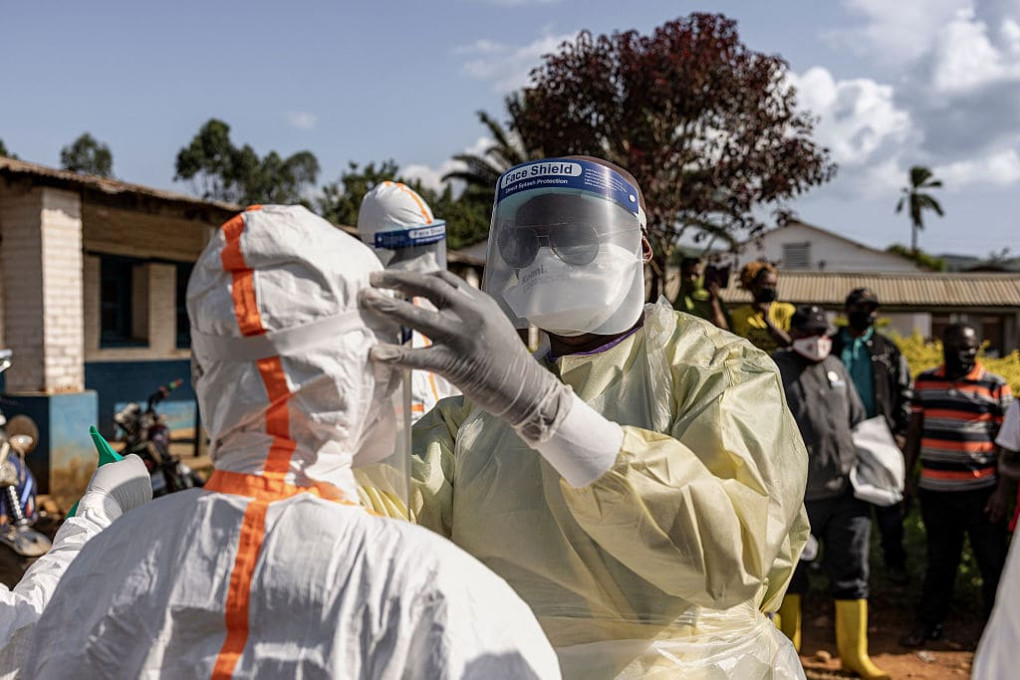
- Heavy infestations: Use disposable coveralls, rubber boots, goggles, and a HEPA filter respirator or PAPR.
- Healthcare workers: Use standard and airborne precautions for suspected cases.
- Workplace safety: OSHA standards require proper PPE for those exposed to rodent-infested environments.
Where Are We With Hantavirus Vaccines?
The race for a hantavirus vaccine is heating up, but we’re not at the finish line yet.
| Vaccine Type & Region | Status/Phase | Efficacy/Notes |
|---|---|---|
| Inactivated HTNV/SEOV (China) | Licensed, routine use | ~2 million doses/year; reduced HFRS cases |
| Inactivated HTNV (Hantavax®, Korea) | Licensed, routine use | 97% seroconversion post-boost, 50% at 1 year |
| DNA vaccines (HTNV/PUUV, US/EU) | Phase 1 completed, Phase 2a planned | 100% seroconversion (monovalent), 44–78% (combination) |
| mRNA vaccines (Korea/US) | Preclinical | Not yet in human trials |
| VLP, recombinant, vector vaccines | Preclinical/early clinical | Promising animal data; human trials pending |
| Pan-hantavirus DNA vaccine | Animal models, early human data | Broad neutralizing antibody response |
Bottom line: Only China and South Korea have licensed vaccines for HFRS. DNA vaccines have shown promise in early trials in the US and Europe, but global rollout is still years away. mRNA vaccines are in the works, but not yet in human trials. The finish line is in sight, but we’re not there yet.
Final Thoughts
Hantavirus is a silent predator—one that hides in the corners of our world, waiting for a chance to strike. The 2026 cruise ship outbreak reminds us that even in our modern, connected world, nature still holds surprises. But knowledge is power. By understanding how hantavirus spreads, what symptoms to watch for, and how to protect ourselves, we can stay one step ahead.
At FreeAstroScience, we believe in keeping our minds awake and our curiosity alive. Science isn’t just for the experts—it’s for all of us. So keep asking questions, keep learning, and remember: the sleep of reason breeds monsters.
Come back soon to FreeAstroScience.com. Let’s keep our minds switched on—together.
References & Sources
- WHO Disease Outbreak News – Hantavirus cases linked to cruise ship (2026)
- WHO Response to Hantavirus Cases Linked to a Cruise Ship (May 7, 2026)
- CDC Hantavirus Situation Summary (2026)
- ECDC Hantavirus Outbreak on Cruise Ship (May 2026)
- PAHO Epidemiological Alert – Hantavirus Pulmonary Syndrome (December 2025)
- CDC Hantavirus Clinical Overview
- WHO Hantavirus Fact Sheet
- CDC Hantavirus Prevention
- Nature npj Vaccines – DNA Vaccine Phase 1 Trial (2024)
- PMC – Hantavirus Vaccines Review
- The Lancet Infectious Diseases – Hantavirus