
Have you ever gazed at the night sky and wondered about the myriad celestial objects that twinkle above us? The universe is filled with fascinating phenomena cataloged over centuries, from nebulae to galaxies. In this article, we’ll journey through some of the most famous astronomical catalogs, uncovering the first entries that have intrigued astronomers and stargazers alike. By the end, you’ll have a deeper appreciation for these celestial wonders and understand how they have shaped our exploration of the cosmos.
Credit: Bernhard Hubl (CEDIC).
The Messier Catalog: A Comet Hunter’s Legacy
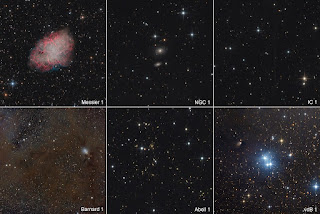
The Messier Catalog is perhaps the most well-known among amateur astronomers. Compiled by Charles Messier in 1771, this catalog was initially created to help comet hunters distinguish between permanent celestial objects and transient comets. The first entry, M1, is the Crab Nebula, a supernova remnant and pulsar wind nebula in the Taurus constellation. With 110 entries, the Messier Catalog includes a variety of galaxies, nebulae, and star clusters, making it a staple for deep-sky observers.
The New General Catalogue (NGC): A Comprehensive Collection
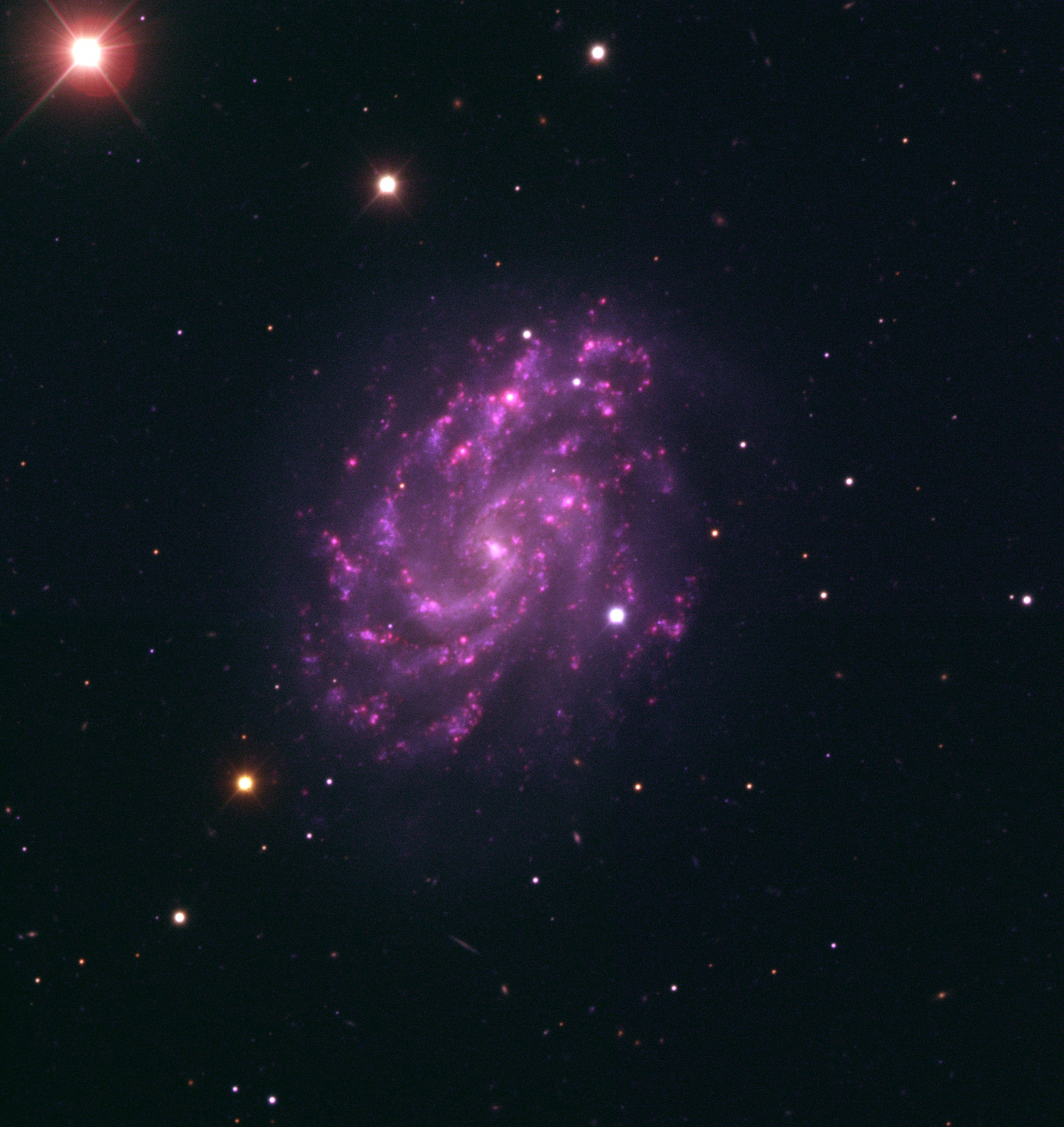
Published in 1888, the New General Catalogue (NGC) contains over 7,800 objects, ranging from galaxies to star clusters and nebulae. The first entry, NGC 1, is a spiral galaxy in the constellation Pegasus. The NGC was a significant advancement in cataloging, providing a more comprehensive list of celestial objects than its predecessors. It has been revised multiple times to correct errors and include newly discovered objects, ensuring its continued relevance in modern astronomy.
The Index Catalogue (IC): Expanding Our Horizons
The Index Catalogue (IC), first published in 1895 as a supplement to the NGC, expanded the list with over 5,000 additional objects. The first entry, IC 1, is a galaxy in the Pisces constellation. This catalog was instrumental in broadening our understanding of the universe, especially with the advent of photographic techniques that allowed for more detailed observations.
Barnard’s Catalog: A Focus on Dark Nebulae
Unlike other catalogs, Barnard’s Catalog lists dark nebulae, dense clouds of gas and dust that obscure the light from stars behind them. E.E. Barnard compiled this catalog in the early 20th century, and it included 370 objects, with Barnard 1 being the first entry. These dark nebulae are crucial for studying star formation, as they are often the birthplaces of new stars.
The Abell Catalog: Clusters of Galaxies
The Abell Catalog focuses on galaxy clusters, groups of galaxies bound by gravity. Compiled by George O. Abell in 1958, this catalog includes over 4,000 clusters, with Abell 1 as the first entry. Galaxy clusters are essential for understanding the large-scale structure of the universe and the distribution of dark matter.
The van den Bergh Catalog (vdB): Reflecting on Nebulae
The van den Bergh Catalog (vdB), compiled in 1966, lists 158 reflection nebulae, which are dust clouds reflecting the light of nearby stars. These nebulae are often visually stunning, providing insight into the composition and dynamics of interstellar dust.
Conclusion: A Celestial Legacy
As we explore these catalogs, we gain a deeper appreciation for the meticulous work of astronomers who have cataloged the universe’s wonders. Each entry not only represents a celestial object but also a piece of our cosmic history. By understanding these catalogs, we continue to build on the legacy of exploration and discovery, inspiring future generations to look up and wonder.