
A new study published in Pediatrics sheds light on the hidden dangers inside ordinary household cleaning products. More than 240,800 kids under the age of 5 were treated for cleaning product-related injuries in U.S. emergency departments between 2007 and 2022, according to researchers at the Center for Injury Research and Policy at Nationwide Children’s Hospital. In other words, one child is injured every 35 minutes.
Bleach and detergents ranked as the top offenders, but detergent packets, introduced in 2012, were particularly dangerous. These brightly hued, candy-like capsules made up 33% of all injuries reported in the study. After their introduction, the rate of packet-related injuries shot up sharply and peaked in 2015.
While measures like child-resistant packaging, opaque containers, and bitter-tasting films all helped to reduce cases in the years that followed, detergent packets remained the leading driver of detergent-related injuries in 2022.
“Although the rate of injuries associated with packets decreased, they remained the leading cause of overall detergent injury rates in 2022,” said lead author Rebecca McAdams, MPH.
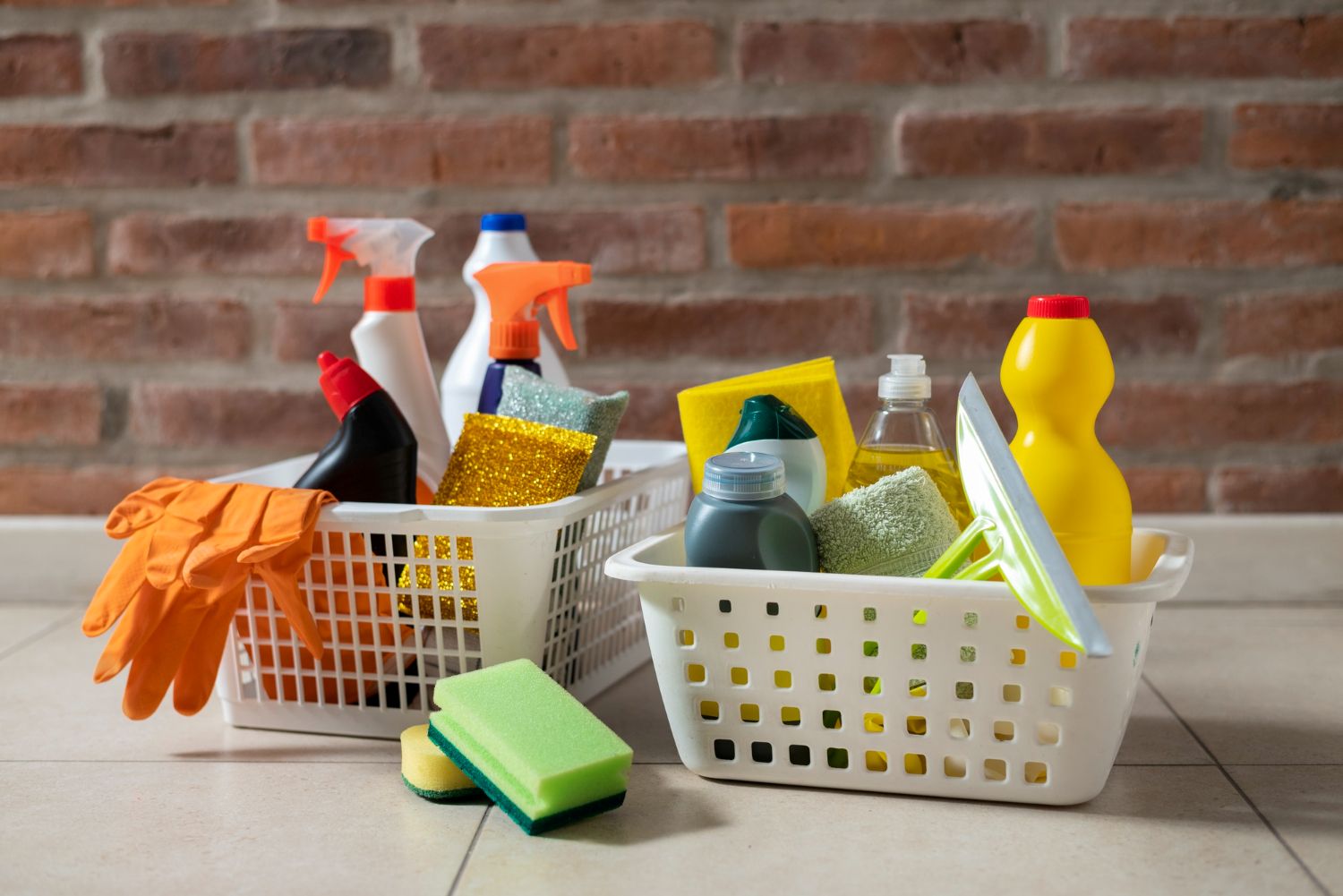
While packets grabbed headlines, spray bottles quietly remained a consistent source of harm. Accounting for 28% of injuries, spray bottles often caused chemical burns, poisoning, dermatitis, and eye injuries. Alarmingly, nearly a quarter of these cases occurred when someone else sprayed the child directly.
Senior author Dr. Lara McKenzie noted that spray bottles have long been problematic due to their accessibility and ease of use. “Our previous analysis identified spray bottles as the primary source of household cleaning product-related injuries to young children from 1990 to 2006. That risk has not gone away.”
Children aged 1–2 years were at the highest risk. Developmental curiosity exploring the world by putting objects in their mouths, combined with an inability to read warning labels, makes toddlers uniquely vulnerable.
Poisoning was the most common diagnosis, with ingestion the primary route of exposure. Hospitalization rates were alarmingly high at 7%, up from 5.5% in the previous study.
Bleach-related injuries remained stable but consistently high. Most bleach exposures involved spray bottles, underscoring the need for stronger packaging standards.
The researchers are urging regulators to strengthen child-resistant packaging requirements, particularly for spray bottles and other easily accessible containers.
Tips for Parents and Caregivers to Stay Safe:
- Store securely: Keep cleaning products away, out of sight and reach.
- Be original: Never move items into secondary containers; buy childproof packaging whenever you can.
- Be ready: Store the Poison Help Line (1-800-222-1222) in your phone and call right away if exposure happens.
This study, based on data from the National Electronic Injury Surveillance System (NEISS), highlights how new consumer innovations can pose risks to children. While safety precautions have reduced injuries from detergent packets, the ongoing danger of spray-bottle-related harm underscores the need for vigilance and stricter rules.