
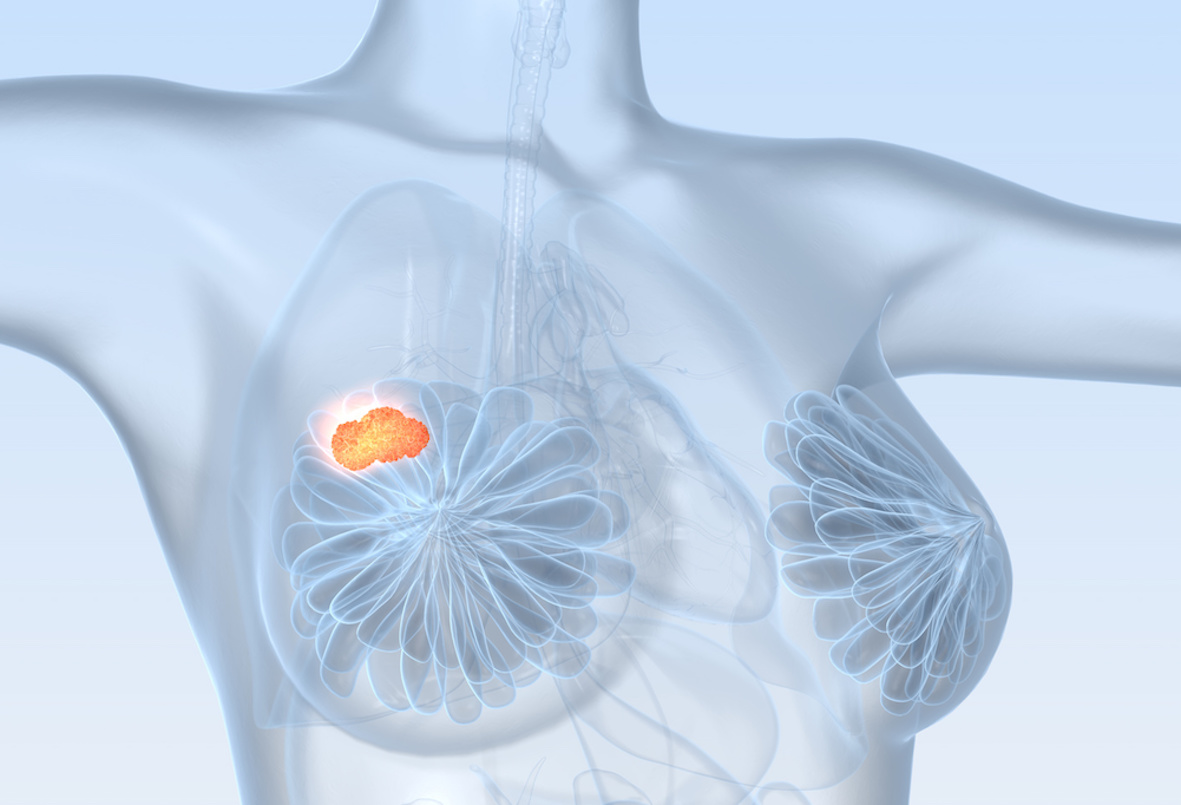
A landmark study from the Garvan Institute of Medical Research has identified a previously unknown mechanism explaining why breast cancer can reappear decades after successful treatment. The research highlights the presence of abnormal cells that reprogram themselves to divide at an exceptionally slow pace, forming microscopic tumors that develop silently in distant organs. This discovery addresses a critical challenge for patients with estrogen receptor-positive (ER+) breast cancer, where the risk of recurrence remains a persistent threat long after initial recovery.
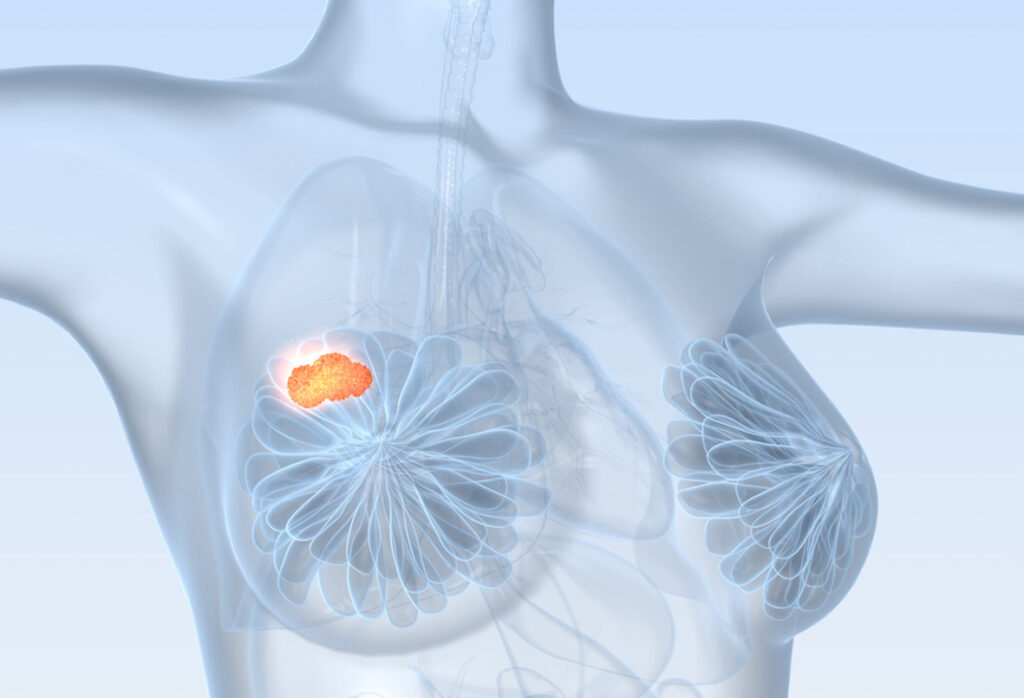
Uncovering the hidden mechanisms of late-stage breast cancer recurrence
While medical science has become highly proficient at treating primary breast cancer, late recurrences remain a significant clinical hurdle. In Australia alone, these relapses contribute to over 3,300 deaths annually, often occurring five to ten years after hormonal therapy has ended. It is estimated that up to 30% of patients diagnosed with ER+ breast cancer will eventually develop an incurable recurrence.
The study characterizes an alternative pathway to the traditional “hibernation” model, where cancer cells do not stop dividing but instead grow very slowly in the background. These “micrometastases” are small secondary tumors that remain below the threshold of medical detection for years. Once they eventually reach a detectable size or affect vital organs like the brain or bones, they become life-threatening and are notoriously resistant to standard chemotherapy.
Professor Liz Caldon, the senior author of the study, notes that while some cells enter complete dormancy, these slow-growing cells represent a persistent threat that has long been theorized but only now evidenced. By surviving the initial treatment that neutralizes fast-growing cells, these survivors linger as a source for future relapses. This insight provides a new focal point for developing strategies to prevent fatal outcomes in long-term survivors.
Investigating the biological clock of slow-dividing tumor cells
To understand this phenomenon, researchers spent years isolating and cultivating breast cancer cells that divide at an unnaturally slow rate. In laboratory settings, these cells defied typical cancerous behavior by maintaining a sluggish biological clock. However, preclinical models revealed that this slow growth did not inhibit the cancer’s ability to migrate throughout the body.
The team observed that these specific cells were capable of traveling to distant sites, such as the lungs and bones, proving that metastatic potential is not strictly dependent on rapid proliferation. This finding shifts the focus from how fast a tumor grows to how effectively it survives and spreads under the pressure of treatment. The research suggests that the very slowness of these cells serves as an unintended shield against therapies designed to target active, rapidly dividing tissue.
First author Kristine Fernandez emphasized that a slow clock is not a stopped clock, as these cells remain dynamic and mobile. The realization that speed is not the primary factor in metastasis allows scientists to look beyond cell division rates. This shift in perspective was essential for identifying the specific cellular communication channels that allow these cells to persist in a hostile, treated environment.
The rac1 signaling pathway and potential for future prevention
The researchers pinpointed a critical communication channel known as the Rac1 signaling pathway as the mechanism driving this slow-growth behavior. Rac1 is a fundamental pathway responsible for cell structure, movement, and survival. Using advanced biosensor imaging, the team was able to visualize the activation of this pathway within live, slow-growing cancer cells for the first time.
Crucially, the study demonstrated that blocking the Rac1 pathway could effectively reduce the size and number of tumors in patient-derived models. By utilizing experimental inhibitors, the team managed to disrupt the survival mechanism of these persistent cells. This success offers a tangible “lever” for clinicians to potentially intervene before a microscopic threat evolves into a clinical recurrence.
Looking forward, the Garvan Institute is initiating further research to determine if Rac1 inhibitors could be used preventively. The ultimate goal is to provide better monitoring tools to ensure long-term hormonal therapies are working as intended. By targeting the unique biology of these slow-growing cells, researchers hope to finally remove the threat of relapse for patients living in the shadow of a past diagnosis.
The study is published in Nature Communications.