
Our planet’s equilibrium is more intertwined with our activities than previously thought. Groundwater extraction, a common human activity, has been found to significantly affect the tilt of the Earth’s axis, according to recent studies. This unexpected discovery highlights the importance of understanding the multifaceted interactions between humans and our planet, particularly the management of water resources. Recognizing the implications of axis tilt alteration is essential in addressing climate change and fostering the sustainable use of natural resources.
Groundwater Pumping and Earth’s Axis Tilt Shift
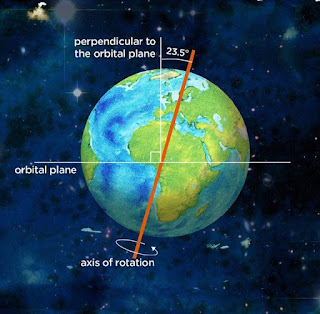
The stability of our planet largely depends on the tilt of the Earth’s axis. Scientists, however, noted a shift of about 31.5 inches (around 80 centimeters) between 1993 and 2010. This shift correlates to the volume of groundwater extracted for human activities during this timeframe. Over these years, humans have drawn more than 2,150 gigatonnes o
water from the Earth’s natural reservoirs. If this massive quantity of water were channeled into the oceans, their surface area would have risen by approximately 0.24 inches (around 6 millimeters). This prompted scientists to delve into the repercussions of such a large-scale water redistribution on the planet’s rotation.
Analyzing Earth’s Rotational Pole
To better understand the changes in Earth’s rotation pole’s position, scientists employed modeling techniques. The rotation pole, the hypothetical point where the planet’s axis would protrude from its surface, is not static. It varies over time and is influenced by multiple factors, including climatic processes. The findings from these models revealed that groundwater extraction had a considerable impact on the tilt of the Earth’s axis. In the absence of groundwater pumping data, the models failed to account for the observed 31-inch shift, indicating that groundwater redistribution is a primary driver of Earth’s axis tilt alteration.
Climate Change: Understanding the Role of Earth’s Axis Tilt
The tilt of Earth’s axis plays a crucial role in dictating our planet’s seasonal climate. Recent studies suggest that shifts in this rotation axis may also contribute to long-term climate change. Understanding alterations in the Earth’s axis tilt can provide insights into changes in continental water storage over the past century. It is also essential to comprehend the possible transformations in the hydrological cycle caused by global warming.
Groundwater Pumping’s Impact on Earth’s Axis Tilt and Continental Hydrology
The influence of groundwater pumping on the tilt of the Earth’s axis has significant bearings on continental hydrology. Over-extraction of groundwater can result in a reduced water supply in the affected areas, impacting freshwater availability for irrigation, water supply, and local ecosystems. Moreover, groundwater redistribution can modify aquifer flow, affecting the regional hydrological cycle with potential long-term impacts on continental water supplies.
Global Implications of Axis Tilt Change
Beyond regional effects on hydrology and climate, the alteration in axis tilt may have global repercussions. The tilt of the axis governs atmospheric and oceanic circulation patterns, which in turn shape the global climate. Shifts in the axis tilt can disrupt the distribution of heat and rainfall on Earth, influencing long-term climate trends. Therefore, monitoring and understanding changes in the Earth’s axis tilt are critical for studying and predicting global climate change.
Groundwater Management and Future Directions
Effective management of global groundwater flow could be instrumental in curbing the impacts of Earth’s axis tilt changes. Given the estimated net loss of over 2 trillion tons of water between 1993 and 2010, conservation and sustainable use of water resources are more crucial than ever. Despite significant advancements in studying the impact of groundwater pumping, numerous questions and research opportunities remain unexplored. For instance, further investigation into the interplay between tilt change and other climate factors like glacier melting and sea-level rise could provide valuable insights. Moreover, leveraging advanced climate models could enable more accurate predictions of the long-term effects of altering the Earth’s axis tilt on our planet’s systems.