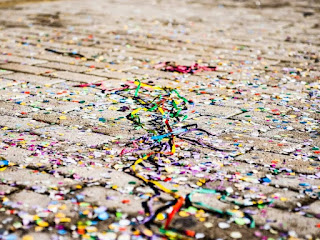

Hello to all our curious environmental enthusiasts and celebration planners! We at FreeAstroScience.com are thrilled to welcome you to another eye-opening exploration where we simplify complex scientific principles. Today, we’re pulling back the curtain on something that seems so innocent and joyful—confetti—but carries surprising environmental and health consequences. Whether you’re planning a wedding, birthday, or simply love a good celebration, understanding the hidden impact of these tiny paper and plastic pieces might change how you party forever. Stay with us until the end, dear reader, as we journey through the science of confetti pollution and discover beautiful, planet-friendly alternatives that won’t compromise your celebrations or our collective future.
Understanding Confetti Pollution: A Growing Environmental Concern
When the party ends and the last guests leave, the colorful remnants of our celebrations often remain—scattered across venues, parks, streets, and eventually making their way into our ecosystem. This seemingly harmless tradition of tossing confetti has a dark environmental secret.
What Is Confetti and Why Is It Problematic?
Traditional confetti comes in various forms, but the most common types include:
- Plastic confetti: Made from non-biodegradable materials like PVC
- Treated paper confetti: Paper processed with chemicals and dyes
- Metallic confetti: Combining plastic with metallic finishes
The primary issue lies in their composition and persistence. Plastic confetti, particularly those made from PVC (a toxic plastic), can take up to 1,000 years to decompose. During this extensive period, they break down into microplastics—plastic fragments smaller than 5 millimeters—that contaminate our environment.
The Invisible Journey of Confetti
Once the celebration ends, confetti often escapes municipal cleaning systems. Their small size makes them difficult to collect effectively, allowing them to:
- Wash into storm drains
- Travel to rivers and oceans
- Infiltrate soil when used outdoors
- Become airborne as microparticles
Even paper confetti, which decomposes more quickly than plastic varieties, often contains chemicals that can be harmful to the environment. The production process also requires natural resources and energy, contributing to their overall environmental footprint.
Latest Scientific Research on Environmental Impact
Recent scientific investigations have revealed alarming evidence about the environmental consequences of confetti pollution.
Microplastic Contamination
Microplastics from sources like confetti have become pervasive environmental contaminants. They’ve been found in virtually every ecosystem on Earth—from the deepest ocean trenches to remote mountain peaks. These particles are extraordinarily persistent, with research showing they can contaminate seas, rivers, soil, and air.
Marine Life Devastation
Marine animals often mistake plastic confetti for food, leading to:
- Intestinal blockage
- Malnutrition
- Reduced reproduction rates
- Death
A particularly concerning discovery is how marine filter feeders like oysters and mussels accumulate these microplastics, which can then enter the human food chain. This creates a cycle where our celebration choices eventually return to affect our own health.
Ecosystem Disruption
Studies conducted between 2023-2025 have further demonstrated how microplastics can disrupt entire ecosystems by:
- Altering soil composition
- Affecting plant growth patterns
- Disrupting microbial communities
- Transferring through food chains
Health Risks: From Microplastics to Human Health
The environmental impact of confetti pollution extends directly to human health in ways many of us never considered.
Microplastics in Human Bodies
Recent research has detected microplastics in various human tissues, including:
- Blood
- Placenta
- Lungs
- Liver
These findings are particularly alarming as they demonstrate how deeply these synthetic materials have penetrated our bodies.
Inflammation and Disease Risks
Exposure to microplastics can trigger chronic inflammation in the body, potentially increasing the risk of several serious health conditions:
- Stroke
- Cancer
- Cardiovascular disease
Toxic Chemical Exposure
Microplastics often contain or absorb toxic additives and chemicals:
- Bisphenols
- Phthalates
- PFAS (per- and polyfluoroalkyl substances)
These substances can disrupt endocrine function, affecting thyroid health, reproduction, and metabolism, potentially contributing to conditions like obesity, diabetes, and decreased fertility.
Antibiotic Resistance Connection
Perhaps most concerning is the emerging evidence suggesting microplastics may contribute to antibiotic resistance—a growing global health crisis. Plastic particles can act as vectors for bacteria, potentially helping them develop resistance to common treatments.
Eco-Friendly Alternatives for Sustainable Celebrations
The good news is that we don’t need to abandon the joy of celebrations! There are numerous sustainable alternatives that provide the same festive atmosphere without the environmental cost.
Natural Biodegradable Options
1. Flower Petals
Real flower petals offer a beautiful, fragrant alternative to plastic confetti. They decompose naturally and can even enrich the soil. For weddings and outdoor events, rose petals, lavender, or seasonal flower petals create a romantic, eco-friendly atmosphere.
2. Hole-Punched Leaves
With a simple hole punch and fallen leaves, you can create colorful, seasonal confetti that returns to the earth quickly. This option is particularly beautiful for autumn celebrations when leaves display vibrant colors.
3. Herb Confetti
Dried herbs like lavender, rosemary, or mint provide a sensory experience beyond visual appeal—they smell wonderful! They’re perfect for garden parties and rustic celebrations.
Water-Soluble Solutions
Water-soluble confetti made from vegetable starch, rice, or sugar dissolves upon contact with water or rain, leaving no trace behind. This option is ideal for:
- Rainy day celebrations
- Events near water bodies
- Indoor parties where cleanup is a concern
Paper-Based Alternatives
1. Seed Paper Confetti
This innovative option contains plant seeds embedded in biodegradable paper. After the celebration, the confetti can be left to grow into wildflowers or herbs—turning waste into new life.
2. Recycled Paper Confetti
Made from post-consumer paper waste, this option gives paper a second life before it eventually decomposes. While not as quick to break down as natural materials, it’s significantly better than plastic varieties.
Global Initiatives and Regulations
Around the world, governments and organizations are taking action against plastic pollution, including party supplies like confetti.
United Nations Leadership
In March 2022, 175 countries adopted a historic resolution through the United Nations Environment Assembly (UNEA) to develop an international legally binding instrument to end plastic pollution. This global plastics treaty is scheduled for completion by the end of 2024 and represents the most significant international effort to address plastic waste.
Regional Regulations
European Union
The EU’s 2019 Single-Use Plastics Directive specifically targets commonly found single-use plastic items, including party supplies like confetti. This directive implements bans, reduction measures, and extended producer responsibility schemes.
United States Initiatives
The Biden administration has introduced comprehensive measures to tackle plastic pollution, including:
- Developing standardized methods for measuring microplastics
- Launching a national extended producer responsibility initiative
- Planning to phase out single-use plastics for federal operations by 2035
Industry Response
The market is responding to these regulations and growing consumer awareness. The decorations and inclusions market is seeing significant growth in sustainable products, with major companies innovating with new biodegradable materials and designs.
Practical Tips for Green Celebrations
Let’s transform theory into action with these practical steps for more sustainable celebrations:
Planning Phase
-
Set a green theme: Announce your eco-friendly intentions to guests, encouraging them to respect your environmental choices.
-
Choose venues wisely: Select locations that have good waste management practices or natural settings where biodegradable options make sense.
-
Digital invitations: Reduce paper waste by sending electronic invitations and event details.
Decoration Choices
-
Make your own eco-confetti: Host a pre-party gathering to create natural confetti from leaves or recycled paper.
-
Verify claims: When purchasing “biodegradable” confetti, ensure it’s truly water-soluble and not just marketing hype.
-
Alternative celebration ideas:
- Bubble machines (soap bubbles dissolve without trace)
- Ribbon wands (reusable for multiple events)
- Musical moments instead of confetti throws
After the Party
-
Thorough cleanup: If using any confetti (even biodegradable), ensure complete cleanup to prevent ecosystem disruption.
-
Compost natural materials: Flower petals and leaf confetti can go straight into compost bins.
-
Spread awareness: Share your eco-friendly celebration choices on social media to inspire others.
Making the Switch: Your Guide to Sustainable Confetti
Transitioning to sustainable celebration practices doesn’t happen overnight. Here’s a step-by-step approach to making the change:
Assess Your Current Celebration Habits
Take inventory of your typical party supplies and identify which items contain plastic or non-biodegradable materials. Confetti is often just one element of a larger celebration footprint.
Start Small and Expand
Begin by replacing just the confetti with an eco-friendly alternative. Once comfortable with that change, expand to other party elements like balloons, decorations, and tableware.
Support Sustainable Brands
Companies committed to environmental responsibility deserve our support. Research and purchase from businesses that prioritize sustainability in their production processes and materials.
Create New Traditions
Some of the most meaningful celebration traditions are those we create ourselves. Consider establishing new rituals that don’t require disposable items:
- A group toast instead of a confetti toss
- A synchronized dance move to mark special moments
- A collective cheer or song that becomes your signature celebration
Conclusion: Celebrating Responsibly for Our Collective Future
As we’ve discovered throughout this exploration, those tiny pieces of celebration joy can carry a hefty environmental and health burden. The PVC confetti that creates moments of fleeting beauty may persist in our environment for up to 1,000 years, breaking down into microplastics that infiltrate our oceans, soil, air, and eventually our own bodies. But this knowledge doesn’t mean the end of celebration—rather, it invites us to celebrate more mindfully.
At FreeAstroScience.com, we believe that understanding scientific principles empowers us to make better choices. By switching to biodegradable alternatives like flower petals, seed paper, or water-soluble confetti, we can maintain the joy and spontaneity of our celebrations while honoring our responsibility to the planet and future generations.
The next time you’re planning a celebration—whether it’s a wedding, birthday, graduation, or holiday gathering—remember that your choices matter. Each sustainable decision ripples outward, influencing others and contributing to a larger movement of environmental consciousness. Together, we can transform how we celebrate, proving that joy and responsibility can beautifully coexist.
What eco-friendly celebration alternatives have you tried? Share your experiences in the comments below, and let’s continue building a community committed to sustainable celebration!