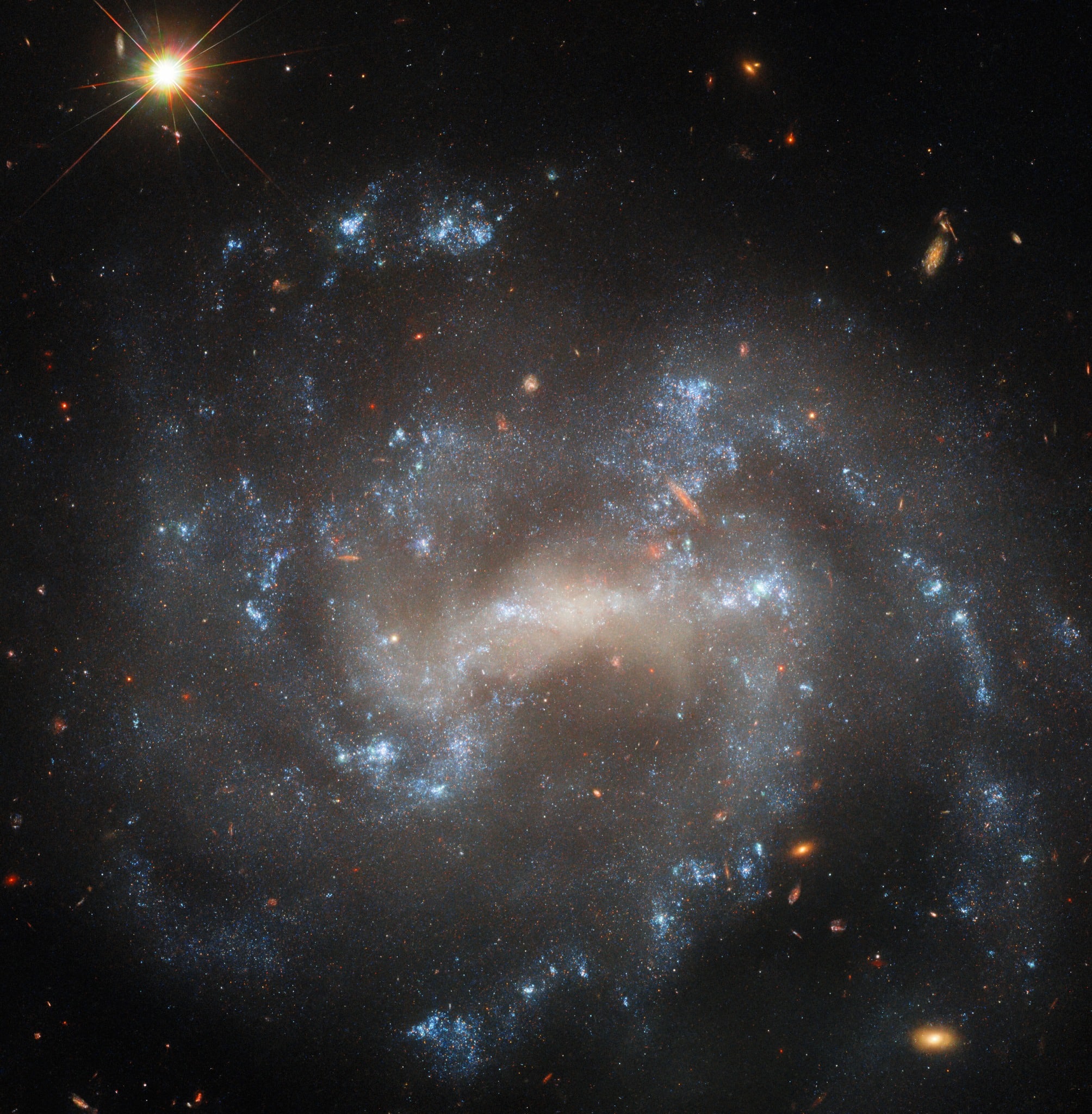
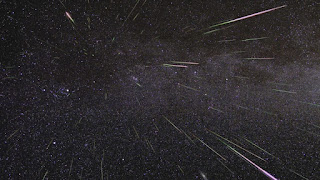
Regarded as one of the most spectacular celestial events, the Perseids meteor shower offers an unrivaled cosmic spectacle. These meteors, often described poetically as “shooting stars,” travel at a breathtaking speed of 59 km/s. They are renowned for their brightness and the mesmerizing, colorful light trails they leave behind as they traverse Earth’s atmosphere.
The Perseids, known for their intensity, are one of the most prolific meteor showers, offering observers the chance to see 50-100 meteors per hour. This stellar display occurs from late July to late August, gracing the warm summer nights with their dazzling presence. While there are other meteor showers like the Geminids, Leonids, and Orionids, the Perseids, also known as the “tears of St. Lawrence,” hold a unique allure.
Observing the Perseids: Tips and Tricks
The Perseids will be visible throughout the upcoming month, reaching their peak on the night of August 12-13, 2023. During this peak, stargazers can expect to see 40 to 60 meteors per hour. Thankfully, the Moon will not interfere with the observations due to its late rise. The radiant, or the area in the sky where the meteors seem to originate, is located in the constellation Perseus, hence the name Perseids. Starting at 10 p.m., direct your attention towards the northeast to spot Perseus. Sky-watching apps like Stellarium, Google Sky Map, Star Walk, and Celestial Map can assist in locating the constellation. The best part about observing the Perseids is that you don’t need any special equipment – your naked eye is enough.
Origin of Meteors
Meteors originate from particles left behind by comets or fragments from asteroids. As comets journey around the Sun, they leave behind a dusty trail. Each year, Earth crosses these debris trails. As this debris comes into contact with the Earth’s atmosphere, it disintegrates, creating stunning, fiery streaks in the sky due to friction. The colors of these streaks depend on the debris’s chemical composition. The Perseids are associated with the comet 109P/Swift-Tuttle, which has a nucleus measuring 26 kilometers in diameter and takes 133 years to complete one orbit around the Sun. The connection between this comet and the Perseids was first made by Giovanni Schiaparelli in 1865, though the comet itself was discovered in 1862 by Lewis Swift and Horace Tuttle. The comet last visited the inner solar system in 1992.
Gerd Dani — Founder & Director Gerd Dani is the visionary in a wheelchair behind FreeAstroScience. An astronomy graduate and a master's in physics, he founded this blog in June 2020, driven by a passion for breaking down complex scientific and philosophical concepts into bite-sized, digestible pieces. As President, he is dedicated to making science accessible to everyone, from students to seasoned academics.
(()=>{async function handleCredentialResponse(response){try{const res=await fetch('https://freeastroscience.com/wp-login.php?action=googlesitekit_auth',{method:'POST',headers:{'Content-Type':'application/x-www-form-urlencoded'},body:new URLSearchParams(response)});/* Preserve comment text in case of redirect after login on a page with a Sign in with Google button in the WordPress comments. */ const commentText=document.querySelector('#comment')?.value;const postId=document.querySelectorAll('.googlesitekit-sign-in-with-google__comments-form-button')?.[0]?.className?.match(/googlesitekit-sign-in-with-google__comments-form-button-postid-(\d+)/)?.[1];if(!! commentText?.length){sessionStorage.setItem(`siwg-comment-text-${postId}`,commentText);}location.reload();}catch(error){console.error(error);}}if(typeof google !=='undefined'){google.accounts.id.initialize({client_id:'251104905146-eghigrtua82ec7aan4em9fle9u5f0ilc.apps.googleusercontent.com',callback:handleCredentialResponse,library_name:'Site-Kit'});}const defaultButtonOptions={"theme":"outline","text":"signin_with","shape":"rectangular"};document.querySelectorAll('.googlesitekit-sign-in-with-google__frontend-output-button').forEach((siwgButtonDiv)=>{const buttonOptions={shape:siwgButtonDiv.getAttribute('data-googlesitekit-siwg-shape')|| defaultButtonOptions.shape,text:siwgButtonDiv.getAttribute('data-googlesitekit-siwg-text')|| defaultButtonOptions.text,theme:siwgButtonDiv.getAttribute('data-googlesitekit-siwg-theme')|| defaultButtonOptions.theme,};if(typeof google !=='undefined'){google.accounts.id.renderButton(siwgButtonDiv,buttonOptions);}});/* If there is a matching saved comment text in sessionStorage,restore it to the comment field and remove it from sessionStorage. */ const postId=document.body.className.match(/postid-(\d+)/)?.[1];const commentField=document.querySelector('#comment');const commentText=sessionStorage.getItem(`siwg-comment-text-${postId}`);if(commentText?.length && commentField && !! postId){commentField.value=commentText;sessionStorage.removeItem(`siwg-comment-text-${postId}`);}})();
var astra = {"break_point":"921","isRtl":"","is_scroll_to_id":"1","is_scroll_to_top":"1","is_header_footer_builder_active":"1","responsive_cart_click":"flyout","is_dark_palette":"","revealEffectEnable":"","edit_post_url":"https://freeastroscience.com/wp-admin/post.php?post={{id}}&action=edit","ajax_url":"https://freeastroscience.com/wp-admin/admin-ajax.php","infinite_count":"2","infinite_total":"0","pagination":"number","infinite_scroll_event":"scroll","no_more_post_message":"No more posts to show.","grid_layout":{"desktop":3,"tablet":1,"mobile":1},"site_url":"https://freeastroscience.com","blogArchiveTitleLayout":"layout-2","blogArchiveTitleOn":"1","show_comments":"Show Comments","enableHistoryPushState":"1","masonryEnabled":"","blogMasonryBreakPoint":"0"};
//# sourceURL=astra-theme-js-js-extra