Skip to content
Skip to content
Wednesday, May 27, 2026
  • Home
  • WHO WE ARE
  • Terms of Use and Disclaimer
  • Our Editorial Policy
  • Privacy Policy
FreeAstroScience logo with a glowing star, open book, and Earth on a space-themed circular badge with the tagline Igniting Curiosity for free astronomy science education

FreeAstroScience

  • Home
  • Astronomy
    • AstroPhysics
    • Cosmology
    • Exploration
  • Physics
  • Hi-Tech
    • A.I.
    • Robots
  • Healh
  • Lifestyle
    • Sport
    • Music
  • Environment
    • ClimateChange
  • Biology
  • Gerd’s
FreeAstroScience logo with a glowing star, open book, and Earth on a space-themed circular badge with the tagline Igniting Curiosity for free astronomy science education

FreeAstroScience

  • Home
  • Astronomy
    • AstroPhysics
    • Cosmology
    • Exploration
  • Physics
  • Hi-Tech
    • A.I.
    • Robots
  • Healh
  • Lifestyle
    • Sport
    • Music
  • Environment
    • ClimateChange
  • Biology
  • Gerd’s

Home » Orion Nebula

  • Latest
  • Popular

When lakes lose their winter pulse: Climate change and the hidden Nitrogen story

May 27, 2026May 27, 2026

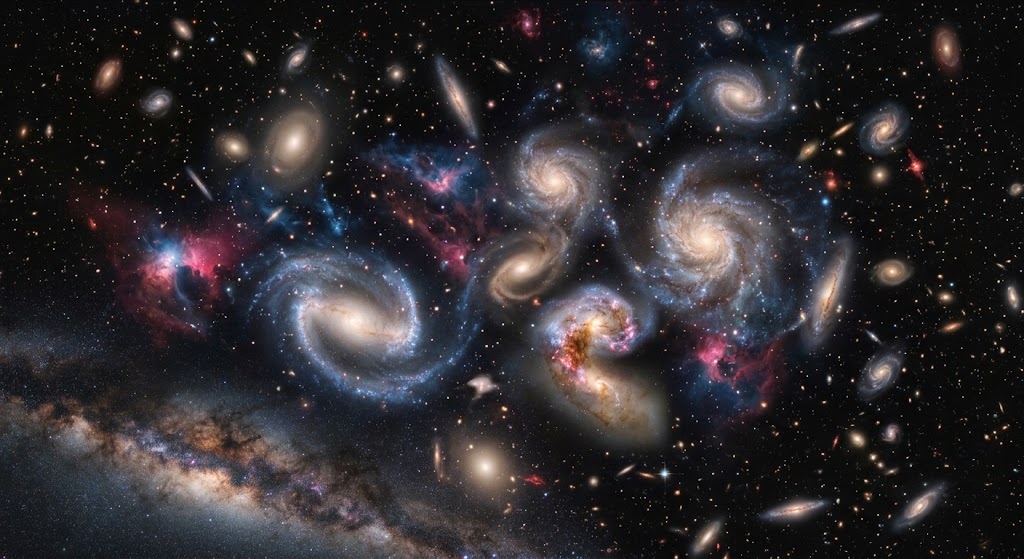
Galaxies shaped by cosmic location just 1.2 billion years after the Big Bang

May 27, 2026May 27, 2026

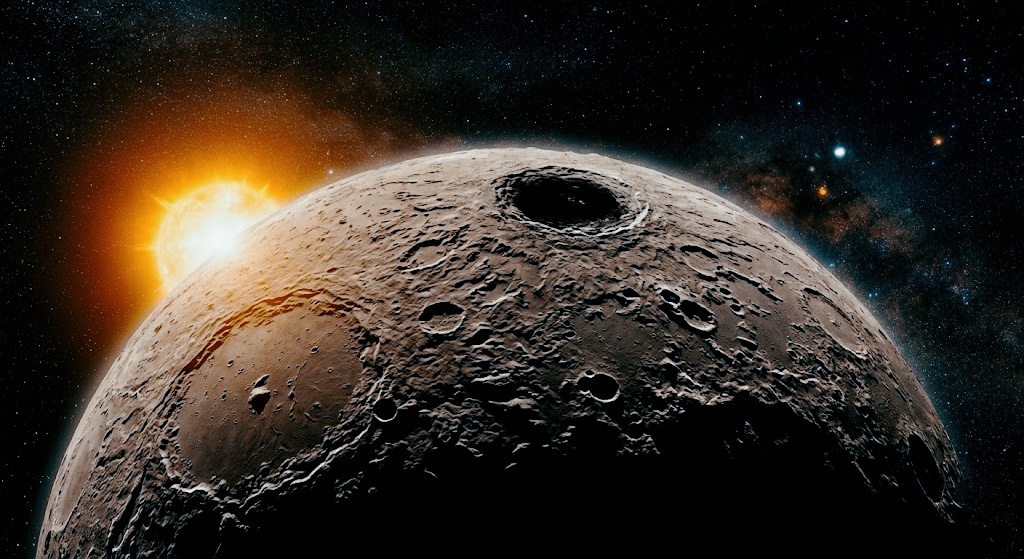
Mercury’s polar water ice: new models suggest a larger, slower impact source

May 26, 2026May 26, 2026

New Cell Therapy Offers Hope for Advanced Liver Disease Patients

May 25, 2026May 25, 2026

    Orion Nebula

    Gerd DaniJuly 13, 2021March 28, 202601 mins

    The Orion Nebula is the brightest emission nebula visible from mid northern latitudes. Lets take a short trip of Orion nebula in this clip.


    Tagged: Astronomy Video

    Post navigation

    Previous: 165 Years of Nikola Tesla; His Truths, Mysteries, Secrets and Inventions
    Next: The ‘Lambda’ Variant Is Now Found in 29 Countries. Here’s What We Know About It

    Related News

    Scenic view of waterfall

    When lakes lose their winter pulse: Climate change and the hidden Nitrogen story

    May 27, 2026May 27, 2026
    Galaxies shaped by cosmic location just 1.2 billion years after the Big Bang

    Galaxies shaped by cosmic location just 1.2 billion years after the Big Bang

    May 27, 2026May 27, 2026
    Mercury's polar water ice: new models suggest a larger, slower impact source

    Mercury’s polar water ice: new models suggest a larger, slower impact source

    May 26, 2026May 26, 2026
    xray woman doing biceps curls

    New Cell Therapy Offers Hope for Advanced Liver Disease Patients

    May 25, 2026May 25, 2026
    FreeAstroScience – Donation Widget (WordPress)
    Support FreeAstroScience

    Help us keep astronomy & science education free for everyone. Every contribution fuels open-access knowledge.

    Donate with PayPal
    100% goes to free science education & open-access research
    Secure via PayPal

    Sports

    Free AstroScience - All rights Reserved
    • Privacy Policy
    • WHO WE ARE
    • CONSTITUTION OF FREEASTROSCIENCE
    • Contact Us
    • Work With Us
    • Our Editorial Policy
    • Comprehensive AI Policy for FreeAstroScience.com
    Back To Top