Have you ever wondered what happens to the plastic bags you use for just a few minutes? Do they magically disappear, or do they contribute to the growing problem of marine pollution? As we celebrate World Day Without Plastic Bags, let’s dive into the latest research and explore the effectiveness of banning these seemingly harmless items. In this article, we’ll uncover the shocking truth about plastic bags, their impact on our oceans, and how banning them can make a significant difference. By the end of this post, you’ll understand the importance of adopting sustainable practices and how you can contribute to a cleaner, healthier environment.
The Deadly Truth About Plastic Bags
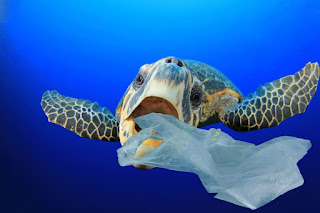
Plastic bags are among the top five most harmful forms of marine pollution, with devastating consequences for marine life. According to Dr. Anja Brandon, Director of Plastic Policy at Ocean Conservancy, “Plastic bags are one of the most lethal forms of plastic pollution for marine life. They are often mistaken for jellyfish by turtles and other marine animals, who ingest them with fatal consequences.”
The Impact of State Bans
A recent study by Ocean Conservancy revealed a direct correlation between the increase in state bans on plastic bags and a decrease in their presence in the environment. In the United States, the number of plastic bags collected by volunteers during the International Coastal Cleanup (ICC) nearly doubled during the COVID-19 pandemic, when bans were temporarily suspended. However, since 2020, with the doubling of the percentage of the U.S. population affected by state bans (from 12% to 25%), there has been a 29% reduction in plastic bags collected by ICC volunteers in 2022-2023 compared to pre-pandemic levels (2013-2019).
The Science Behind Citizen Action
The data used in this analysis was collected by ICC volunteers through the Clean Swell app, contributing to Ocean Conservancy’s marine debris database. This valuable archive provides crucial information to scientists, environmental groups, governments, and industries to promote policies preventing plastic pollution.
The Italian Situation
While Italy has seen a significant reduction in the quantity of plastic bags used, with a 57% decrease from 2010 to 2022, the quality of these bags remains a concern. Approximately 40% of the bags in circulation are illegal, non-biodegradable, and do not comply with regulations. This means that out of 76,000 tons of shopping bags introduced to the market in 2021, over 30,000 tons were illegal.
Conclusion
In conclusion, banning plastic bags is a crucial step towards reducing marine pollution. By understanding the impact of these seemingly harmless items, we can take action to adopt more sustainable practices. As individuals, we can make a difference by choosing reusable bags and supporting policies that promote environmental protection. Together, we can create a cleaner, healthier environment for future generations.
Gerd Dani — Founder & Director Gerd Dani is the visionary in a wheelchair behind FreeAstroScience. An astronomy graduate and a master's in physics, he founded this blog in June 2020, driven by a passion for breaking down complex scientific and philosophical concepts into bite-sized, digestible pieces. As President, he is dedicated to making science accessible to everyone, from students to seasoned academics.
(()=>{async function handleCredentialResponse(response){try{const res=await fetch('https://freeastroscience.com/wp-login.php?action=googlesitekit_auth',{method:'POST',headers:{'Content-Type':'application/x-www-form-urlencoded'},body:new URLSearchParams(response)});/* Preserve comment text in case of redirect after login on a page with a Sign in with Google button in the WordPress comments. */ const commentText=document.querySelector('#comment')?.value;const postId=document.querySelectorAll('.googlesitekit-sign-in-with-google__comments-form-button')?.[0]?.className?.match(/googlesitekit-sign-in-with-google__comments-form-button-postid-(\d+)/)?.[1];if(!! commentText?.length){sessionStorage.setItem(`siwg-comment-text-${postId}`,commentText);}location.reload();}catch(error){console.error(error);}}if(typeof google !=='undefined'){google.accounts.id.initialize({client_id:'251104905146-eghigrtua82ec7aan4em9fle9u5f0ilc.apps.googleusercontent.com',callback:handleCredentialResponse,library_name:'Site-Kit'});}const defaultButtonOptions={"theme":"outline","text":"signin_with","shape":"rectangular"};document.querySelectorAll('.googlesitekit-sign-in-with-google__frontend-output-button').forEach((siwgButtonDiv)=>{const buttonOptions={shape:siwgButtonDiv.getAttribute('data-googlesitekit-siwg-shape')|| defaultButtonOptions.shape,text:siwgButtonDiv.getAttribute('data-googlesitekit-siwg-text')|| defaultButtonOptions.text,theme:siwgButtonDiv.getAttribute('data-googlesitekit-siwg-theme')|| defaultButtonOptions.theme,};if(typeof google !=='undefined'){google.accounts.id.renderButton(siwgButtonDiv,buttonOptions);}});/* If there is a matching saved comment text in sessionStorage,restore it to the comment field and remove it from sessionStorage. */ const postId=document.body.className.match(/postid-(\d+)/)?.[1];const commentField=document.querySelector('#comment');const commentText=sessionStorage.getItem(`siwg-comment-text-${postId}`);if(commentText?.length && commentField && !! postId){commentField.value=commentText;sessionStorage.removeItem(`siwg-comment-text-${postId}`);}})();
var astra = {"break_point":"921","isRtl":"","is_scroll_to_id":"1","is_scroll_to_top":"1","is_header_footer_builder_active":"1","responsive_cart_click":"flyout","is_dark_palette":"","revealEffectEnable":"","edit_post_url":"https://freeastroscience.com/wp-admin/post.php?post={{id}}&action=edit","ajax_url":"https://freeastroscience.com/wp-admin/admin-ajax.php","infinite_count":"2","infinite_total":"0","pagination":"number","infinite_scroll_event":"scroll","no_more_post_message":"No more posts to show.","grid_layout":{"desktop":3,"tablet":1,"mobile":1},"site_url":"https://freeastroscience.com","blogArchiveTitleLayout":"layout-2","blogArchiveTitleOn":"1","show_comments":"Show Comments","enableHistoryPushState":"1","masonryEnabled":"","blogMasonryBreakPoint":"0"};
//# sourceURL=astra-theme-js-js-extra