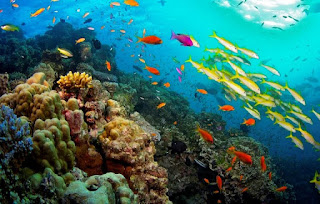

Can we save one of the world’s most iconic natural wonders? The Great Barrier Reef, a breathtaking marvel stretching over 2,300 kilometers along Australia’s northeast coast, faces unprecedented challenges. In this article, we at FreeAstroScience will dive into the urgent conservation efforts underway to protect this unique ecosystem. Join us as we explore the innovative strategies, global collaborations, and the crucial role we all play in preserving this underwater paradise for generations to come.
Understanding the Threat
The Great Barrier Reef, home to over 1,500 species of fish and 400 types of hard coral, is facing a critical moment in its existence. Ocean warming, primarily driven by climate change, poses the most significant threat to this delicate ecosystem. Rising sea temperatures cause coral bleaching, a phenomenon where corals expel their symbiotic algae, leading to widespread death if conditions don’t improve quickly.
Beyond Environmental Concerns
While the environmental impact is severe, the stakes extend far beyond ecology:
- Economic Impact: The reef contributes approximately AU$6.4 billion annually to the Australian economy.
- Social Significance: Numerous local communities, including indigenous groups, depend on the reef for their livelihoods and cultural identity.
- Global Heritage: As a UNESCO World Heritage site, the Great Barrier Reef holds immense value for all of humanity.
Innovative Conservation Strategies
We’re witnessing a surge in innovative approaches to protect and restore the Great Barrier Reef. Let’s explore some of the most promising initiatives:
Coral Restoration Projects
The Great Barrier Reef Foundation, a leading organization in conservation efforts, is spearheading ambitious coral restoration projects. These include:
- Laboratory Cultivation: Scientists are growing resilient corals in controlled environments.
- Micro-fragment Transplantation: This technique involves transplanting small pieces of coral to accelerate reef recovery.
- Heat-Resistant Coral Breeding: Researchers are selectively breeding corals that can withstand higher temperatures.
Improving Water Quality
Pollution from agricultural and industrial activities poses a significant threat to the reef’s health. Conservation efforts include:
- Collaborating with farmers to reduce nutrient and sediment runoff
- Implementing sustainable industrial practices along the coast
- Monitoring and improving water quality through advanced technologies
Engaging Local Communities
We recognize the crucial role of local communities, especially indigenous groups, in reef conservation:
- Incorporating traditional knowledge into conservation strategies
- Developing sustainable tourism practices
- Creating educational programs to raise awareness about reef protection
Challenges and Future Outlook
Despite ongoing efforts, the Great Barrier Reef continues to face significant challenges:
- Ocean Warming: This remains the greatest threat to the reef’s survival
- Global Action Required: Without concerted global efforts to reduce greenhouse gas emissions, the outlook for the reef remains uncertain
However, there is hope on the horizon. Through scientific research, technological innovation, and international collaboration, solutions are being developed to help the reef withstand and adapt to future changes.
Conclusion
The fate of the Great Barrier Reef hangs in the balance, but we at FreeAstroScience believe that with concerted effort and global cooperation, we can turn the tide. The conservation of this natural wonder is not just about preserving a beautiful ecosystem; it’s about protecting our planet’s biodiversity, supporting local communities, and safeguarding a piece of our shared heritage. As we continue to innovate and collaborate, each of us has a role to play in ensuring the Great Barrier Reef remains a vibrant, living treasure for generations to come. Let’s commit to being part of the solution and work together to secure a brighter future for our oceans.
Sources:
- https://www.nature.com/articles/s41586-024-07672-x
- Australian Government Department of Climate Change, Energy, the Environment and Water: https://www.dcceew.gov.au/parks-heritage/great-barrier-reef
- 3. Deloitte Access Economics Report
- 4. Great Barrier Reef Foundation