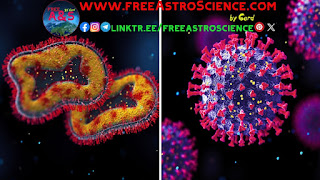

Have you ever wondered how Monkeypox differs from Covid-19? As the President of FreeAstroScience.com, I’m excited to share with you a comprehensive comparison of these two viral diseases. By reading this article, you’ll gain a clear understanding of their symptoms, transmission methods, and prevention strategies, empowering you to better protect yourself and your loved ones.
Understanding Monkeypox and Covid-19: A Comparative Analysis
The Origin and History of Monkeypox
Monkeypox, now officially called mpox, is an infectious disease of animal origin caused by the Monkeypox virus. First isolated in 1958 in Denmark from laboratory monkeys, it was identified in humans in 1970 in the Democratic Republic of Congo. Unlike Covid-19, which emerged as a novel coronavirus in 2019, mpox has been known to scientists for decades, giving us a significant advantage in understanding and combating it.
Symptom Comparison: Mpox vs Covid-19
Covid-19 Symptoms:
- Primarily a respiratory disease
- Can lead to severe pneumonia
- Potential long-term effects (“long Covid”)
Mpox Symptoms:
- Characterized by a distinctive rash
- Typically begins with flat or raised lesions
- Evolves into vesicles, then pustules, and finally scabs
- Often accompanied by fever, headache, and muscle aches
- Generally resolves spontaneously within 2-4 weeks
Transmission Methods: A Key Distinction
Covid-19 Transmission:
- Primarily spread through respiratory droplets and aerosols
- Highly contagious in indoor settings
Mpox Transmission:
- Mainly through close, direct contact with skin or mucosal lesions
- Sexual activity is a significant transmission route in recent outbreaks
- Possible transmission through contaminated objects or surfaces
- Limited respiratory transmission compared to Covid-19
Prevention and Control Strategies
Covid-19 Prevention:
- Vaccination
- Mask-wearing in high-risk settings
- Good ventilation
- Hand hygiene
Mpox Prevention:
- Avoiding close contact with infected individuals
- Vaccination for high-risk groups (not recommended for general population)
- Proper handling of contaminated materials
- Rapid isolation of confirmed cases
The Role of Vaccines in Mpox Control
One of the most significant advantages in combating mpox is the availability of effective vaccines. These vaccines, originally developed for smallpox, offer strong protection against mpox due to the viruses’ genetic similarities. While mass vaccination isn’t currently recommended, targeted vaccination of high-risk individuals and close contacts of confirmed cases plays a crucial role in controlling outbreaks.
Conclusion
As we navigate the complexities of both Covid-19 and mpox, understanding their differences is crucial. While Covid-19 remains a significant global health concern due to its respiratory transmission and potential for severe outcomes, mpox presents a different set of challenges. Its primarily contact-based transmission and the availability of effective vaccines make it a more manageable threat when proper precautions are taken. By staying informed and following public health guidelines, we can collectively work towards minimizing the impact of both these viral diseases on our communities.
Related Sources:
- World Health Organization – Monkeypox
- Centers for Disease Control and Prevention – Mpox
- National Institutes of Health – Monkeypox Research
- European Centre for Disease Prevention and Control – Monkeypox