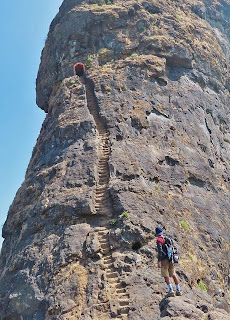

Have you ever dreamed of climbing a near-vertical staircase carved into a mountain face? What if I told you that such an adventure exists, and it’s steeped in centuries of history? Welcome to Harihar Fort, a hidden gem in Maharashtra that offers not just a thrilling trek but a journey through time. In this blog post, FreeAstroScience will take you on a virtual tour of this magnificent fort, providing you with all the information you need to plan your own adventure. Get ready to discover the secrets of Harihar Fort and experience the adrenaline rush of conquering its famous rock-cut steps!
The Majestic Harihar Fort: A Historical Marvel
Harihar Fort, also known as Harshagad, is a testament to the architectural prowess and strategic thinking of ancient Indian rulers. Located in the Nashik district of Maharashtra, this fort stands as a silent sentinel, guarding the secrets of the past while offering modern-day adventurers an unforgettable experience.
A Journey Through Time
The fort’s history dates back to the Seuna dynasty period, spanning from the 9th to the 14th centuries. This era was marked by significant architectural and cultural developments in the region. In 1636, along with other forts in Pune, Harihar Fort was ceded to Khan Zamam, marking a shift in political power.
Strategic Location
Harihar Fort’s location is nothing short of strategic brilliance:
- 40 km from Nashik town
- 48 km from Igatpuri
- 40 km from Ghoti
This positioning made it a crucial defensive structure in its heyday and now serves as an accessible destination for trekking enthusiasts.
The Thrilling Ascent: Conquering Harihar’s Unique Staircase
The most distinctive feature of Harihar Fort is undoubtedly its rock-cut staircase. This architectural marvel is what sets Harihar apart from other forts in the region and makes it a must-visit destination for adventure seekers.
The Staircase by Numbers
- Width: 1 meter
- Height: 60 meters
- Number of steps: 117
- Angle: Nearly 80 degrees
These steep, narrow steps carved directly into the rock face offer a challenging climb that’s not for the faint-hearted.
The Ascent Experience
- First Flight: Begin your journey with the main entrance steps.
- The Ledge Walk: Navigate a narrow path with a steep drop to one side.
- Second Flight: Tackle the famous rock-cut steps with carved niches.
- Rock Tunnel: Pass through a staircase inside the rock.
- Summit: Reach the top and enjoy panoramic views of the surrounding landscape.
Planning Your Harihar Fort Trek
To ensure a safe and enjoyable experience at Harihar Fort, proper planning is essential. Here are some key points to consider:
Best Time to Visit
The ideal time for the Harihar Fort trek is during the post-monsoon season, from October to February. The weather is pleasant, and the landscape is lush green, offering breathtaking views.
Essential Gear
- Sturdy trekking shoes with good grip
- Comfortable, weather-appropriate clothing
- Sufficient water and snacks
- First-aid kit
- Camera to capture the stunning views
Safety First
- Trek in groups and inform someone about your plans
- Start early to avoid the midday heat
- Be cautious on the steep steps, especially in wet conditions
- Respect the historical site and follow Leave No Trace principles
The Harihar Fort Experience: More Than Just a Trek
While the challenging climb is the main attraction, Harihar Fort offers much more to explorers:
Historical Remnants
At the summit, you’ll find remnants of the fort’s glorious past, including:
- Ancient water cisterns
- Ruins of old structures
- Carvings and inscriptions
Panoramic Views
The top of Harihar Fort rewards trekkers with breathtaking 360-degree views of the surrounding Sahyadri range and the lush green valleys below.
Flora and Fauna
The trek path and surrounding areas are home to diverse plant and animal species, making it a treat for nature enthusiasts.
As we conclude our virtual journey to Harihar Fort, it’s clear that this historical marvel offers much more than just a trekking experience. It’s a perfect blend of adventure, history, and natural beauty. The unique rock-cut staircase challenges your physical limits, while the fort’s rich history stimulates your mind. The panoramic views from the top serve as a well-deserved reward for your efforts.
Whether you’re a history buff, an adventure seeker, or simply someone looking to connect with nature, Harihar Fort has something to offer. As you plan your visit, remember that this ancient structure has stood the test of time, witnessing centuries of history. Approach it with respect, caution, and a sense of wonder.
So, are you ready to take on the challenge of Harihar Fort’s near-vertical staircase? Pack your bags, lace up your trekking shoes, and prepare for an adventure that will leave you with memories to cherish for a lifetime. The secrets of Harihar Fort await your discovery!