April 25: The Freedom We Keep Earning
Why Liberation Day still whispers to us, especially when the world is burning
Freedom isn’t a trophy. It’s a muscle.
And like every muscle, it weakens when we stop using it. I’m writing this from Rimini, the Adriatic wind rattling my window, the smell of salt and spring rain sneaking through the shutters. Tomorrow is April 25th — the 81st anniversary of Italy’s Liberation — and I can’t pretend it feels like just another date on the calendar.
Not this year. Not with the news we’ve been reading.
What April 25th Actually Means
On April 25, 1945, the National Liberation Committee of Upper Italy announced the insurgency that ended twenty years of fascism and Nazi occupation. Historian Alessandro Portelli called it an “epiphany of the Nation” — the moment Italy was reborn as a democracy .
But the people who made it happen weren’t generals or kings. They were teachers, factory workers, farmers, students . Women carried messages as staffette, risking torture and death so that someone, somewhere, could breathe freely the next morning.
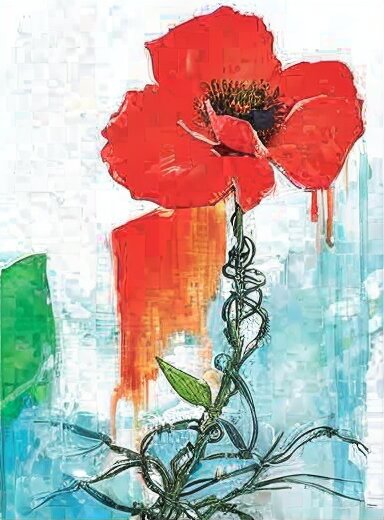
One young partisan, moments before being executed in Pessano, said something I can’t shake: “We aren’t dying for nothing, we’re dying for something.”
That “something” was democracy itself.
The World in 2026 — And Why This Date Cuts Deeper
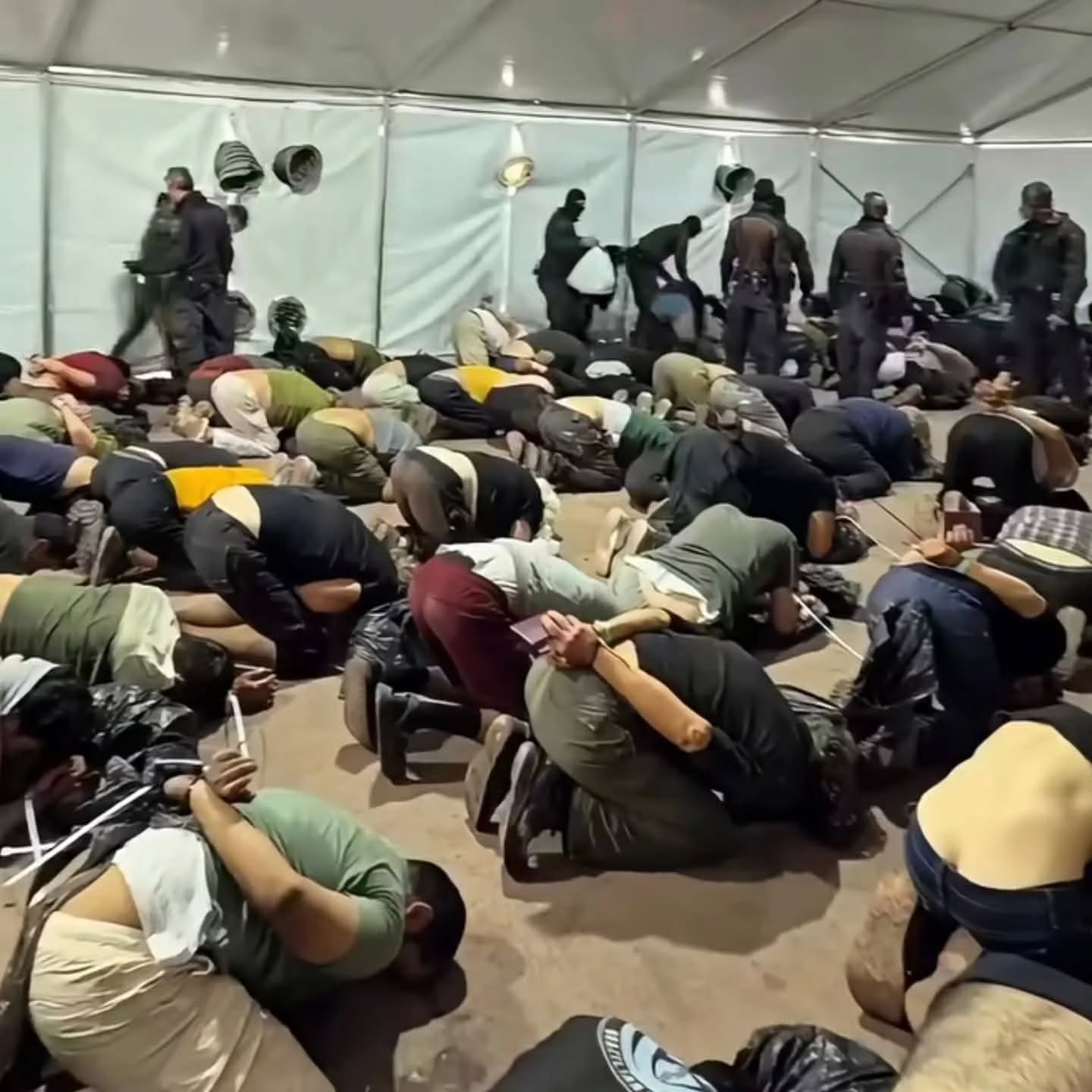
I won’t sugarcoat it. We’re watching wars unfold in real time on our phones. We’re watching genocides debated as if human lives were talking points. We’re watching old ideologies put on new clothes and parade down boulevards they should never have been allowed to touch again.
The hallmarks are painfully familiar — irrational fear of diversity, the constant hunt for an enemy, intolerance of accurate information, aversion to criticism, and blind devotion to a single leader. These aren’t museum pieces. They’re live wires.
And here’s the uncomfortable truth I’ve learned, rolling through this life in my wheelchair, carrying a body that doesn’t always obey me: the people who fear “the different” never stop at one category. They come for the disabled, the foreigner, the scientist, the woman, the Jew, the Roma, the queer kid in the back of the classroom. They come for anyone who reminds them the world is bigger than their fear.
This is why April 25th refuses to be a quiet anniversary.
Science, Education, and the Ethics of Not Giving Up
At FreeAstroScience, I’ve spent years arguing something that feels almost embarrassingly simple: scientific thinking and democracy are cousins. Both demand evidence. Both welcome criticism. Both are willing to revise beliefs when new facts arrive .
Fascism does the opposite. It worships certainty. It punishes doubt. It treats curiosity like treason.
So when I tell my readers that learning astronomy, questioning a headline, reading a peer-reviewed paper, or simply asking “how do you know that?” is a political act — I mean it literally. Every classroom is a small Resistance. Every honest question is a partisan in the mountains.
The Constitution that emerged from the Resistance wasn’t an abstract document. Piero Calamandrei called it “the political program of the Resistance” . Equality, human dignity, social justice, rejection of war — these were purchased with blood, not printed on letterhead.
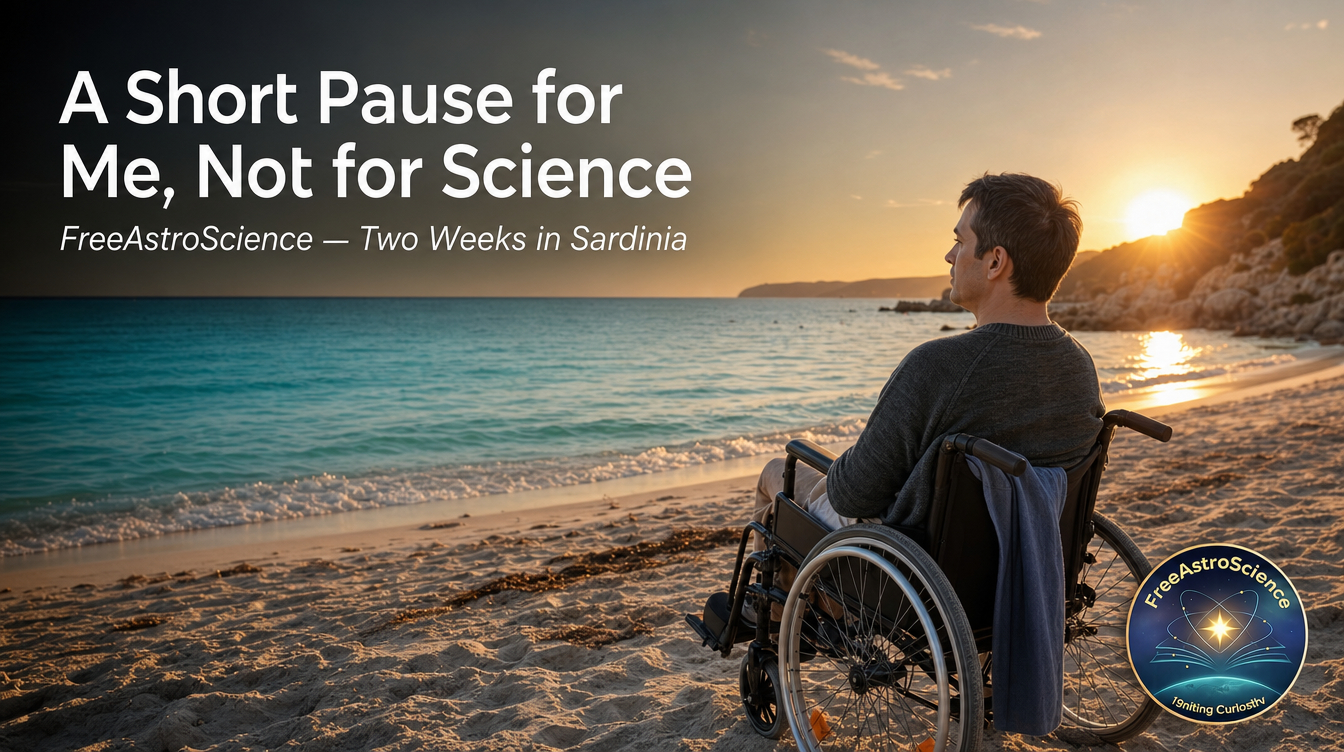
A Personal Note From A Wheelchair In Rimini
I came to Italy in 1991, a five-year-old from Albania whose body was already fighting itself. I’ve had surgeries I’ve lost count of. A deep brain stimulator was implanted, then removed. Doctors told me what I couldn’t do so many times I eventually stopped listening.
And somewhere along the way — between Bologna’s astronomy lecture halls, Istanbul’s chaotic brilliance during my Erasmus at Sabancı, and Milan’s physics labs — I understood something the partisans already knew. Never giving up isn’t a slogan. It’s a discipline.
It’s getting up when your body says no. It’s writing one more article when the algorithm buries you. It’s insisting, in a polarized country, that truth still exists and that kindness still travels across borders.
Teresa “Chicchi” Mattei — who helped write Article 3 of our Constitution — was still protesting for justice in 2001, decades after the war . Because liberation isn’t a date. It’s a verb.
What We Owe Those Who Came Before
Journalist Enzo Biagi wrote in December 1944 that the partisans dreamed of an “Italy more just and more good” . Not a bigger Italy. Not a louder Italy. A better one.
That’s the inheritance. That’s the assignment.
In a world torn by war and genocide, the most radical thing we can still do is educate — our children, our neighbours, ourselves. Teach history without cowardice. Teach science without arrogance. Teach empathy without apology. Mutual respect isn’t a soft virtue; it’s the hardest steel there is.
As Roberto Bertoni Bernardi wrote so beautifully: “You died for something; we, thanks to you, live for that something.”
Looking Forward, Stubbornly
Tomorrow I’ll think about the partisans in the mountains, the staffette cycling through checkpoints, the workers on strike in Milan, the students who refused to salute. I’ll think about Edith Bruck, a Holocaust survivor whose refusal of bitterness still teaches us how to carry pain without becoming it .
And I’ll keep writing. Because as long as FreeAstroScience exists, we’ll defend the idea that knowledge is freedom, that doubt is a duty, and that ethical progress is a marathon none of us get to quit.
Freedom, dear reader, isn’t inherited. It’s practised.
So practise it tomorrow. Practise it loudly. And whatever happens next in this wounded, beautiful world — never give up.
Buon 25 aprile. From Rimini, with salt on the wind and hope in the ink. 🇮🇹
— Gerd Dani, President, FreeAstroScience
(Note for our readers: complex historical, ethical, and scientific ideas here have been deliberately simplified so this piece can live in everyone’s hands — which is exactly where liberation belongs.)