
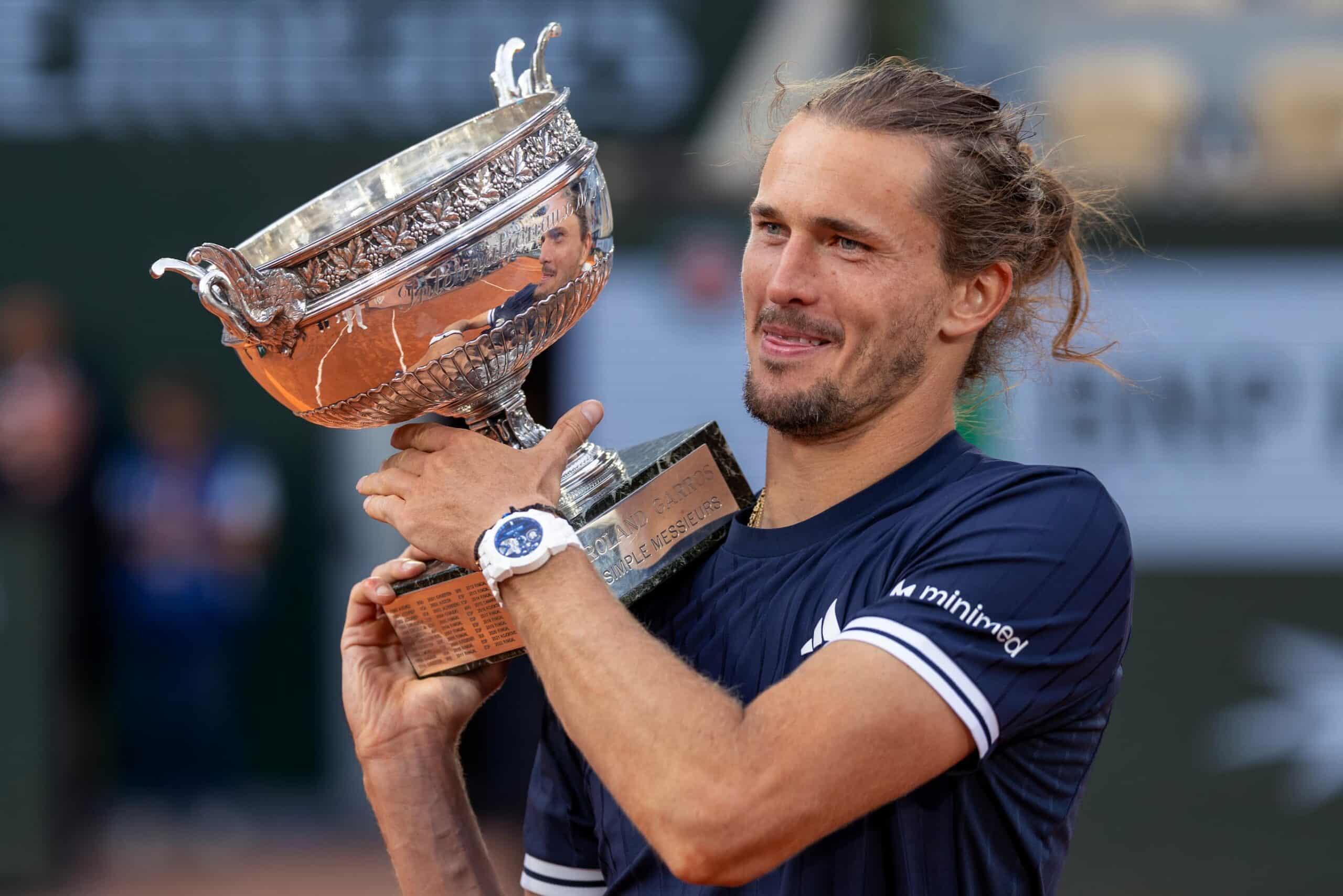
What Does Zverev Really Do During Changeovers? The Hidden Battle of a Grand Slam Champion
Have you ever wondered why Alexander Zverev seems to do something different from his rivals when he sits down between games? While other players sip water or wipe sweat, the German champion is fighting a second match, one nobody sees on the scoreboard.
Welcome, dear reader. We’re glad you’re here with us at FreeAstroScience.com, where we break down complex science into words anyone can grasp. Today we want to walk you through the remarkable story of a tennis player who wins Grand Slams while managing a chronic autoimmune disease, one tiny insulin dose at a time. Stick with us to the end, because this isn’t just a sports story. It’s a lesson in courage, biology, and what the human body can achieve when discipline meets technology.
A Champion Fighting Two Matches at Once
Why Does Zverev Check His Glucose During Changeovers?
If you watched the 2026 Roland Garros final on June 7, you saw Alexander Zverev lift the trophy in Paris. What you might have missed is the routine he repeats every time he sits on his bench: he checks blood-sugar readings, studies the trend line, and, when his body asks for it, injects insulin right there, courtside .
He’s been playing two matches at the same time for his entire career. One against the opponent across the net. The other against type 1 diabetes.
For years, Zverev kept this private. Only after reaching the top of world tennis did he decide to talk about it openly. His message is simple and strong: diabetes shouldn’t be a wall, but a condition you manage with discipline, awareness, and good medical care.

What Exactly Is Type 1 Diabetes?
Here’s where biology gets dramatic. Type 1 diabetes isn’t the same thing as type 2. Type 2 is tied to insulin resistance, body weight, and lifestyle. Type 1 is an autoimmune disease, and it can show up at any age, though Zverev was diagnosed at just four years old.
Professor Roberto Burioni, in a piece on his Substack newsletter, called it a tragic case of “friendly fire.” Because of a genetic predisposition, the immune system mistakes the pancreas’s beta cells for enemies and destroys them. Those cells produce insulin, the hormone that keeps blood sugar in check.
Without insulin, the body can’t regulate glucose on its own. So anyone living with type 1 diabetes has to monitor blood sugar constantly and inject insulin as needed.
The Two Hormonal Risks at a Glance
| Condition | Trigger on Court | Symptoms | Performance Impact |
|---|---|---|---|
| Hypoglycemia (low sugar) |
Long, intense effort drains glucose fast | Tremors, cold sweat, dizziness, weakness, foggy focus | Slowed reflexes against 200 km/h serves |
| Hyperglycemia (high sugar) |
Stress, adrenaline, hormonal response to competition | Exhaustion, intense thirst, dehydration | Drop in stamina and peak output |
How Does the Disease Affect an Elite Athlete?
For most people, managing type 1 diabetes means daily attention. For an elite athlete pushing through four or five hours of physical effort, the balance becomes far trickier .
The first danger is **hypoglycemia**. Long, sustained exertion can drop blood sugar fast. When glucose falls too low, you get tremors, cold sweat, weakness, dizziness, and reduced concentration. In a sport where serves can fly past 200 km/h, even a tiny lapse in clarity changes the match .
Then there’s the opposite problem: hyperglycemia. Competition stress, adrenaline, mental tension, and the hormonal response to physical effort can all push glucose levels up. That brings exhaustion, thirst, dehydration, and trouble holding peak form .
A Quick Look at the Biology
ΔGlucoseblood = (Carbsin + Glucoseliver) − (Insulin·Uptaketissue + Effortmuscle)
When that equation tips out of balance, the body suffers. Zverev’s job during a five-hour match? Keep it stable.
Which Technology Keeps the Champion Safe on Court?
To handle this during training and matches, Zverev relies on continuous glucose monitoring devices and, when needed, takes carbs or injects insulin with a pen.
During changeovers, he can read his glycemic trend and decide what to do next. If sugar is sliding down, he goes for fast-absorbing carbs, gels or sweet drinks. If readings call for a different move, he gives himself insulin according to his treatment plan.
This isn’t a competitive edge. It’s a medical necessity. It’s what lets him compete safely, on the same level as everyone else .
What Happened at Roland Garros 2023?
The story went public partly because of an episode at Roland Garros in 2023. Zverev recounted having problems with match officials about whether he could inject insulin during play. After a discussion, things were cleared up, and he was officially allowed to manage his therapy courtside .
It was a small bureaucratic moment with big symbolic weight. A reminder that even at the highest levels of sport, accommodating chronic illness isn’t always automatic.
Why Did He Create the Alexander Zverev Foundation?
For many years, Zverev preferred not to talk about his health publicly. In professional sport, showing medical vulnerability can be seen as a weakness by opponents, or as a risk by sponsors. So the German player chose privacy for a long time.
His view shifted with time. In 2022, he announced the Alexander Zverev Foundation, an organization with a double mission:
– Support children and young people living with type 1 diabetes
– Help provide insulin and essential medicines in places where access to care is harder
The foundation also wants to push kids with diabetes to play sports without fear. The message is plain but powerful: a diagnosis shouldn’t define your future.
Zverev has said more than once that, as a child, he was told diabetes would make a pro athlete career nearly impossible. His story proves the opposite.
What Can We Learn From His Story?
We think there’s something here for all of us, not just tennis fans.
With medical supervision, technology, discipline, and proper daily care, you can live with type 1 diabetes and chase ambitious goals, even at the very top of world sport . That’s the message the champion wants to pass on.
Every time Zverev sits on his bench, glances at his glucose monitor, and decides his next move, he’s writing a quiet manifesto. Disease doesn’t have to mean defeat. Vulnerability can become strength when you stop hiding it.
Closing Thoughts
This article was written for you by FreeAstroScience.com, where we explain complex scientific principles in simple words. We want you to never switch off your mind, because, as Goya warned us, the sleep of reason breeds monsters.
Zverev’s story isn’t only about tennis or trophies. It’s about what science, technology, and personal courage can do together. A four-year-old boy, told he probably wouldn’t become a pro athlete, just won the 2026 Roland Garros while injecting insulin between games. That’s not a footnote. That’s a milestone for every kid who’s been told “no” by a diagnosis.
Come back to FreeAstroScience.com. Keep your curiosity alive. Keep asking how things work, because the moment you stop, you let someone else write your story.
Frequently Asked Questions
1. When was Alexander Zverev diagnosed with type 1 diabetes?
He was diagnosed at age four, and revealed it publicly only after years at the top of professional tennis.
2. Why does Zverev inject insulin during matches?
Type 1 diabetes means his body can’t produce insulin on its own. During long, intense matches, he must adjust his levels in real time to avoid both hypoglycemia and hyperglycemia.
3. Is using insulin on court a competitive advantage?
No. It’s a medical necessity that allows him to compete safely at the same level as other players .
4. What does the Alexander Zverev Foundation do?
Founded in 2022, it supports children and young people with type 1 diabetes and helps provide insulin and essential drugs where access is limited .
5. What’s the difference between type 1 and type 2 diabetes?
Type 2 is tied to insulin resistance, weight, and lifestyle. Type 1 is autoimmune: the immune system destroys the pancreatic beta cells that make insulin. It can appear at any age .