
What’s causing dozens of deaths in Congo’s remote Kwango province? A mysterious respiratory illness has emerged, leaving health officials racing against time to identify its cause. In this comprehensive analysis, we’ll uncover the latest findings and what they mean for global health security.
The Current Situation
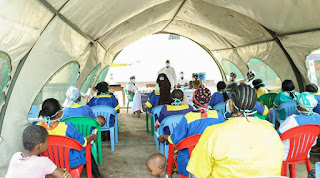
The Democratic Republic of Congo is grappling with an unidentified disease that has claimed at least 79 lives since late October 2024, with 376 reported cases in the southwestern Kwango province. The outbreak is primarily concentrated in the Panzi health zone, located approximately 650 kilometers from Kinshasa.
Impact on Children and Youth
Alarming Demographics
The disease has shown a particularly concerning pattern among young people:
- 40% of cases affect children under 5 years old
- Highest mortality rates occur in teenagers aged 15-18
- 70% of deaths are in children under 15 years
Clinical Presentation
Primary Symptoms
The disease manifests with several distinct characteristics:
- Fever (96.5% of cases)
- Respiratory issues including cough (87.9%)
- Fatigue (60.9%)
- Nasal discharge (57.8%)
Challenges in Response
Geographic and Infrastructure Barriers
The remote location presents significant obstacles:
- 48-hour journey required to reach the area from Kinshasa
- Limited laboratory facilities and diagnostic capabilities
- Ongoing rainy season hampering access
Public Health Response
The World Health Organization and local health authorities have implemented several measures:
- Deployment of expert teams for sample collection
- Enhanced surveillance and case investigation
- Recommendations for basic hygiene practices and avoiding large gatherings[1]
Current Hypotheses
Health experts are considering several potential causes:
- Respiratory infection
- Acute pneumonia
- Seasonal influenza
- Mycoplasma infection
- Possible connection to malnutrition in the region
Looking Forward
While the global risk remains low, health authorities continue monitoring the situation closely. The proximity to Angola raises concerns about potential cross-border transmission. The WHO and Africa CDC are working collaboratively to identify the pathogen and implement appropriate control measures.
Remember: This situation is evolving, and new information emerges daily. Stay informed through reliable health organizations and follow recommended preventive measures in affected areas.