
Have you noticed that hurricanes seem more fierce lately? You’re not imagining it. Recent groundbreaking research reveals a startling truth about our changing climate’s impact on Atlantic hurricanes. Join us at FreeAstroScience.com as we break down the complex science behind hurricane intensification and what it means for our coastal communities. We promise you’ll gain a clear understanding of how climate change is transforming these powerful storms.
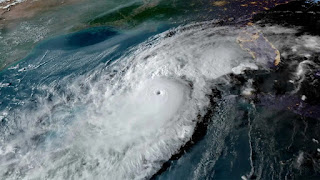
The warm surface of the North Atlantic Ocean boosted the wind speeds of Hurricane Milton in October, enhancing the tempest from Category 4 into Category 5.
The 2024 Hurricane Season: A Record-Breaking Year
The 2024 Atlantic hurricane season has proven to be extraordinary. Every single hurricane that formed was more powerful than it would have been a century ago. Ocean temperatures reached unprecedented levels, with waters up to 2.5°F (1.4°C) warmer than in a pre-industrial world.
Understanding the Climate Connection
Ocean Temperature Impact
Warmer sea surface temperatures are acting like high-octane fuel for hurricanes. This additional energy allows storms to:
- Pack stronger winds
- Hold more moisture
- Intensify more rapidly
- Maintain their strength longer
Wind Speed Enhancement
The evidence is striking – climate change boosted hurricane wind speeds by 29 kilometers per hour (18 mph) on average. This increase is enough to bump storms up an entire category on the Saffir-Simpson scale.
Real-World Examples from 2024
Notable Intensification Cases
- Hurricane Milton: Underwent the fastest intensification ever recorded in the Gulf of Mexico, with winds increasing by 95 mph in just 24 hours
- Hurricanes Milton and Beryl: Climate change pushed both storms from Category 4 to Category 5
- Hurricane Rafael: Experienced a dramatic 47 kph boost, transforming from Category 1 to Category 3
The Science Behind Storm Intensification
Key Factors
- Warmer oceans provide more energy for storm development
- A warmer atmosphere holds more moisture, leading to heavier rainfall
- Rising sea levels amplify storm surge impacts
- Changes in atmospheric patterns affect storm movement and duration
Looking Ahead: Future Hurricane Trends
While the total number of hurricanes may not increase, scientists project that those that do form will likely be more intense. The proportion of storms reaching Category 4 or 5 status could increase by:
- 10% with 1.5°C global temperature rise
- 13% with 2°C rise
- 20% with 4°C rise
Conclusion
The evidence is clear – climate change has fundamentally altered the nature of Atlantic hurricanes. Through our analysis at FreeAstroScience.com, we’ve seen how human-induced warming has created more dangerous and destructive storms. As we continue to monitor these changes, one thing becomes certain: understanding these transformations is crucial for coastal communities’ preparedness and resilience. The science speaks volumes – our actions today will shape the storms of tomorrow.
Citations
D.M. Gilford, J. Giguere and A.J. Pershing. Human-caused ocean warming has intensified recent hurricanes. Environmental Research: Climate. Published online November 20, 2024.
D.M. Gilford et al. Climate change increased wind speeds for every 2024 Atlantic hurricane: Analysis. Climate Central. Published online November 20, 2024.