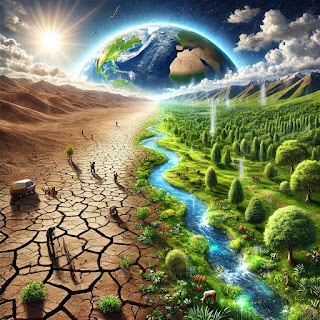

What if the planet’s vital life-supporting systems were slowly drying out under our watch? This alarming scenario isn’t fiction—it’s our current reality. With over 40% of Earth’s land now classified as arid, the ramifications extend far beyond dusty deserts. From shrinking water supplies to declining agricultural yields, aridity is reshaping how we live, grow food, and sustain life. In this article, crafted by FreeAstroScience.com, we’ll break down the science, explore the human and environmental consequences, and reveal actionable strategies to combat this escalating crisis. By the end, you’ll understand not only the scope of the problem but also the solutions within our grasp.
What is Aridity? Understanding the Basics
Aridity refers to a long-term climatic condition characterized by insufficient moisture to sustain life. Unlike temporary droughts, which are anomalies, aridity reflects enduring changes in the balance of precipitation and atmospheric evaporative demand (AED). It affects ecosystems and human systems alike, leading to reduced biodiversity, water scarcity, and diminished soil fertility.
Key Differences: Aridity vs. Drought
- Aridity: Permanent climatic condition.
- Drought: Temporary water shortage.
The distinction is critical, as combating aridity requires structural adaptations rather than short-term remedies.
The Global Spread of Aridity
Current Statistics
- Over 40% of Earth’s land is arid, up from 37.5% in the early 1990s.
- Drylands have expanded by 4.3 million square kilometers in the past three decades.
- Approximately 2.3 billion people now live in arid regions, a number expected to double by 2100.
Hotspots
Regions experiencing significant aridity include:
- The Sahel and Mediterranean Basin.
- Western United States and northeastern China.
- Northern Australia and parts of Sub-Saharan Africa.
The Causes: How Did We Get Here?
Human-induced climate change is a primary driver. Rising greenhouse gas emissions intensify evaporation and reduce precipitation. Deforestation, poor land management, and unsustainable water use compound the issue.
The Impacts: A Chain Reaction
Environmental Consequences
- Biodiversity Loss: Reduced vegetation cover harms ecosystems.
- Soil Degradation: Over 40% of arable land is affected, threatening food security.
- Water Scarcity: Two-thirds of the planet’s land will store less water by the century’s end.
Societal Impacts
- Economic Losses: Africa has seen a 12% GDP decline due to aridity.
- Health Crises: Malnutrition and waterborne diseases are rising in affected areas.
- Mass Migration: Aridification forces millions to seek more habitable lands.
Solutions: Turning the Tide on Aridity
Adaptation Strategies
- Sustainable Agriculture:
- Use drought-resistant crops and advanced irrigation techniques.
- Water Management:
- Implement rainwater harvesting and desalination projects.
- Reforestation:
- Initiatives like the Great Green Wall in Africa combat desertification.
Policy Recommendations
Governments must prioritize:
- Investment in climate-resilient infrastructure.
- Integration of traditional and scientific knowledge for sustainable land use.
- International collaboration for climate mitigation.
Technology and Data
Tools like the Aridity Visual Information Tool provide actionable insights to guide adaptation strategies.
Conclusion
Aridity is not merely a distant environmental concern; it is a global crisis reshaping ecosystems, economies, and societies. Its impacts, from shrinking biodiversity to economic instability, demand urgent action. Yet, with innovation, cooperation, and sustainable practices, we can mitigate its effects. At FreeAstroScience.com, we believe that by understanding and addressing this pressing issue, we can preserve the planet’s vitality for future generations. Together, let’s take the steps needed to combat this silent but devastating menace.