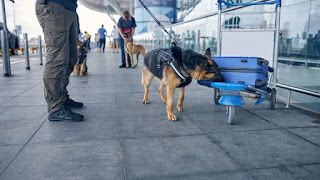

Have you ever wondered how drug detection dogs develop their extraordinary ability to sniff out narcotics? Contrary to popular belief, these remarkable canines aren’t exposed to drugs during training. At FreeAstroScience.com, we’re excited to reveal the fascinating science behind their training, showing you how positive reinforcement and play transform ordinary dogs into elite detection specialists.
The Science Behind Canine Detection
Dogs possess an olfactory system that’s approximately one million times more powerful than humans. This remarkable sensory capability allows them to detect minute traces of substances, making them invaluable partners in law enforcement.
Debunking Common Myths
The widespread belief that drug dogs are deliberately exposed to narcotics during training is completely false. In fact, even small doses of opioids can be dangerous for dogs, potentially causing respiratory problems, hypothermia, and bradycardia.
Training Methodology
The Play-Based Approach
Training relies entirely on positive reinforcement through play and rewards[1]. Dogs develop a mental association between specific odors and their favorite toys, creating a powerful motivation for detection.
The Shape Signal Method
This alternative technique involves:
- Teaching basic commands with hand signals
- Introducing target scents gradually
- Rewarding successful identification
- Phasing out hand signals while maintaining rewards
Selection Criteria
Ideal Candidates
We look for dogs with:
- Superior olfactory capabilities
- Strong play drive
- Balanced temperament
- Excellent handler cooperation abilities
Preferred Breeds
Top performing breeds include:
- German Shepherds
- Belgian Malinois
- Labrador Retrievers
Training Process
The comprehensive training program typically spans 4-6 months and includes:
- Scent recognition exercises
- Search pattern development
- Environmental adaptation
- Handler-dog bonding
Certification and Deployment
Trained units can detect various substances including:
- Cocaine
- Heroin
- Methamphetamine
- Marijuana (where applicable)
These specialized teams operate in:
- Airports
- Border crossings
- Schools
- Public venues
In conclusion, the transformation of ordinary dogs into elite narcotic detectors is a testament to the power of positive reinforcement and scientific training methods. Through our research at FreeAstroScience.com, we’ve shown that it’s not about exposing dogs to harmful substances, but rather about harnessing their natural abilities through play and reward-based training. These remarkable animals continue to prove that the most effective solutions often come from working in harmony with nature’s gifts.