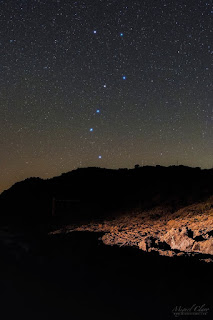
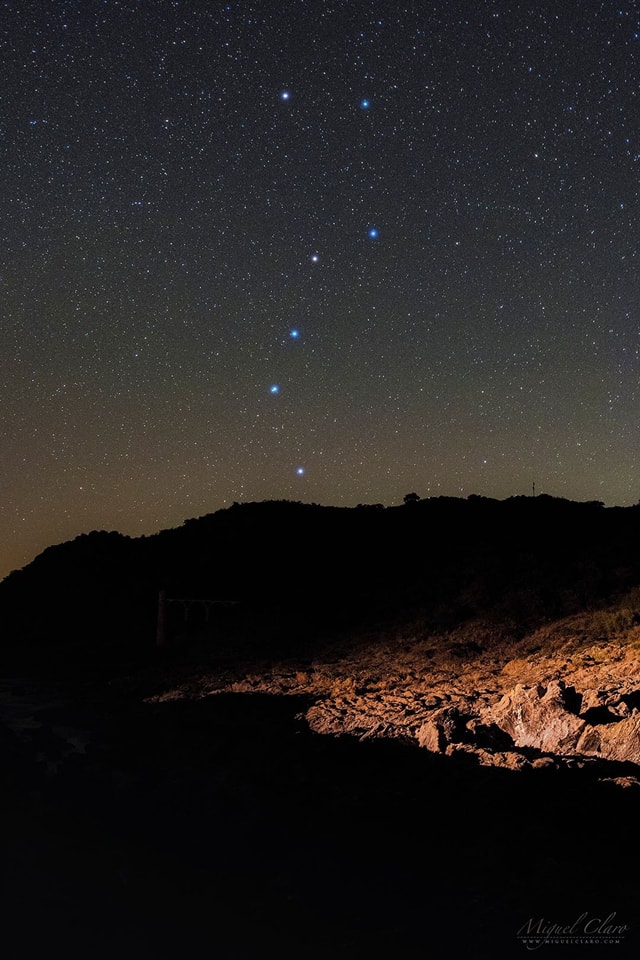
The Big Dipper, a well-known pattern of seven bright stars has been used as a guiding point in the night sky since ancient times. It holds cultural significance in the northern hemisphere serving as a celestial compass to guide lost souls towards the North Pole.
Different interpretations across Europe
In Italy it resembles a chariot. Is referred to as such. However Anglo Saxon and Slavic cultures see it as a dipper. In regions of England it is known as the plow. Interestingly in France and Holland it can sometimes be seen as resembling a casserole dish. Scandinavian countries often refer to it as the Charlemagne Chariot paying tribute to the emperor. On the hand for the Sami culture residing beyond the Arctic Circle it symbolizes the bow of their traditional hunter.
When we cross over to America from, across the ocean American cultures envision it as a bear accompanied by three cubs or being pursued by hunters. Moving north into Inuit culture this cluster of stars takes on the shape of a caribou – reflecting their local wildlife.
In Asia too there are interpretations
China refers to this group as the Northern Dipper maintaining the theme of navigation. In contrast Southeast Asia, heavily influenced by their reliance on the sea associates it with fishing and maritime life. The Vietnamese see it as a rudder Malaysians view it as a boat and Indonesians imagine canoes. Interestingly in Myanmar it takes on the form of crustaceans another reference to life.
In sacred Sanskrit texts known as the Vedas that hold importance in Hinduism these stars are revered as the Seven Sages. This interpretation highlights the significance attributed to this prominent celestial feature.
The Big Dipper serves as a symbol while also demonstrating the diverse cultures and interpretations, across the globe. Regardless of where you observe them these seven stars continue to inspire and guide civilizations just as they have for thousands of years.
Gerd Dani — Founder & Director Gerd Dani is the visionary in a wheelchair behind FreeAstroScience. An astronomy graduate and a master's in physics, he founded this blog in June 2020, driven by a passion for breaking down complex scientific and philosophical concepts into bite-sized, digestible pieces. As President, he is dedicated to making science accessible to everyone, from students to seasoned academics.
(()=>{async function handleCredentialResponse(response){try{const res=await fetch('https://freeastroscience.com/wp-login.php?action=googlesitekit_auth',{method:'POST',headers:{'Content-Type':'application/x-www-form-urlencoded'},body:new URLSearchParams(response)});/* Preserve comment text in case of redirect after login on a page with a Sign in with Google button in the WordPress comments. */ const commentText=document.querySelector('#comment')?.value;const postId=document.querySelectorAll('.googlesitekit-sign-in-with-google__comments-form-button')?.[0]?.className?.match(/googlesitekit-sign-in-with-google__comments-form-button-postid-(\d+)/)?.[1];if(!! commentText?.length){sessionStorage.setItem(`siwg-comment-text-${postId}`,commentText);}location.reload();}catch(error){console.error(error);}}if(typeof google !=='undefined'){google.accounts.id.initialize({client_id:'251104905146-eghigrtua82ec7aan4em9fle9u5f0ilc.apps.googleusercontent.com',callback:handleCredentialResponse,library_name:'Site-Kit'});}const defaultButtonOptions={"theme":"outline","text":"signin_with","shape":"rectangular"};document.querySelectorAll('.googlesitekit-sign-in-with-google__frontend-output-button').forEach((siwgButtonDiv)=>{const buttonOptions={shape:siwgButtonDiv.getAttribute('data-googlesitekit-siwg-shape')|| defaultButtonOptions.shape,text:siwgButtonDiv.getAttribute('data-googlesitekit-siwg-text')|| defaultButtonOptions.text,theme:siwgButtonDiv.getAttribute('data-googlesitekit-siwg-theme')|| defaultButtonOptions.theme,};if(typeof google !=='undefined'){google.accounts.id.renderButton(siwgButtonDiv,buttonOptions);}});/* If there is a matching saved comment text in sessionStorage,restore it to the comment field and remove it from sessionStorage. */ const postId=document.body.className.match(/postid-(\d+)/)?.[1];const commentField=document.querySelector('#comment');const commentText=sessionStorage.getItem(`siwg-comment-text-${postId}`);if(commentText?.length && commentField && !! postId){commentField.value=commentText;sessionStorage.removeItem(`siwg-comment-text-${postId}`);}})();
var astra = {"break_point":"921","isRtl":"","is_scroll_to_id":"1","is_scroll_to_top":"1","is_header_footer_builder_active":"1","responsive_cart_click":"flyout","is_dark_palette":"","revealEffectEnable":"","edit_post_url":"https://freeastroscience.com/wp-admin/post.php?post={{id}}&action=edit","ajax_url":"https://freeastroscience.com/wp-admin/admin-ajax.php","infinite_count":"2","infinite_total":"0","pagination":"number","infinite_scroll_event":"scroll","no_more_post_message":"No more posts to show.","grid_layout":{"desktop":3,"tablet":1,"mobile":1},"site_url":"https://freeastroscience.com","blogArchiveTitleLayout":"layout-2","blogArchiveTitleOn":"1","show_comments":"Show Comments","enableHistoryPushState":"1","masonryEnabled":"","blogMasonryBreakPoint":"0"};
//# sourceURL=astra-theme-js-js-extra