
The Future is Hemp: How This Ancient Plant Could Revolutionize the Paper Industry and Save Our Planet
Welcome, curious minds and eco-conscious friends! At FreeAstroScience.com, we’re passionate about exploring innovative solutions to our planet’s most pressing environmental challenges. Today, we’re diving deep into a topic that could dramatically transform one of our oldest industries: paper production. Hemp paper isn’t just an alternative—it might be the revolutionary answer we’ve been searching for. Our forests are disappearing at alarming rates, but what if we told you there’s a plant that grows in just months, produces four times more paper, and leaves our precious forest habitats untouched? Stay with us, dear reader, as we uncover how this ancient plant could help solve our modern environmental crisis.
The Environmental Crisis in Paper Production
Our world has a paper problem. Traditional paper production has been a primary driver of deforestation worldwide. Consider this sobering fact: the paper industry is the third largest industrial polluter, releasing over 100 million kg of toxic pollution annually.
The consequences extend far beyond just losing trees:
- Wildlife habitat destruction: Forests provide critical habitats for countless species, many already endangered
- Climate impact: Trees are essential carbon sinks that help regulate our planet’s climate
- Resource intensity: Traditional paper production consumes massive amounts of water and energy
Each year we lose approximately 15 billion trees globally, with paper production being a significant contributor to this environmental catastrophe. We’re literally cutting down tomorrow’s oxygen for today’s junk mail.
The Unsustainable Cycle
Traditional wood-based paper requires decades of growth before trees can be harvested. Once cut down, that land either sits barren or needs another 20-30 years to regenerate mature trees. This slow regeneration cycle creates a sustainability gap we simply cannot afford in our current climate crisis.
Hemp Paper: A Historical and Modern Solution
Hemp’s use for paper production isn’t new—it’s actually ancient. The oldest surviving paper in the world was made from hemp fibers over 2,000 years ago. What’s old is becoming new again as we rediscover this remarkable plant’s potential.
What Makes Hemp Special?
Hemp produces significantly higher yields compared to traditional wood pulp:
- Growth cycle: Hemp reaches maturity in just 120 days (compared to decades for trees)
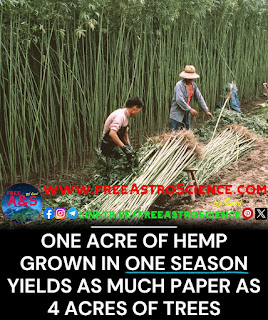
- Fiber efficiency: An acre of hemp produces nearly four times as much fiber pulp for paper as an acre of trees
- Annual harvesting: The same land can be used year after year without degradation
The hemp plant’s long fibers create stronger paper products that can be recycled more times without losing quality, as the fibers are naturally longer and more durable than wood pulp.
Environmental Benefits of Hemp Paper
The environmental advantages of hemp paper are substantial and multifaceted:
Resource Efficiency
Hemp demonstrates remarkable resource efficiency in paper production:
- Water usage: Hemp paper production uses 38% less water than traditional paper
- Energy consumption: The production process requires 45% less energy
- Land efficiency: Hemp produces 3-4 times more usable fiber per hectare than trees
Chemical Reduction
Traditional paper production involves harsh chemicals that pollute our waterways. Hemp offers a cleaner alternative:
- Reduced chemical needs: Hemp requires fewer chemicals during the pulping process
- No pesticides or herbicides: Hemp naturally resists pests and weeds, eliminating the need for harmful agricultural chemicals
- Lower pollution: Less chemical usage means reduced water and soil contamination
Forest and Habitat Preservation
Perhaps most importantly, transitioning to hemp paper helps preserve our precious forests:
- Reduced deforestation pressure: Every acre of hemp potentially saves multiple acres of forest
- Wildlife habitat protection: Forests can remain intact as critical habitats for countless species
- Biodiversity support: Natural ecosystems can thrive when left undisturbed
Economic Implications and Market Growth
The hemp paper market is experiencing significant growth driven by increasing environmental awareness and demand for sustainable products.
Current Market Size and Projections
The global hemp paper market shows promising economic potential:
- Market valuation: The market was valued at approximately USD 510.39 million in 2022
- Growth projection: Expected to reach around USD 1,683.94 million by 2030
- CAGR: Growing at a compound annual growth rate of roughly 16.09% between 2023 and 2030
This growth trajectory indicates strong economic opportunities in the hemp paper industry, despite current challenges.
Regional Leadership
North America is expected to witness the highest growth in the hemp paper market, driven by increasing demand for sustainable paper solutions and supportive regulatory environments. Europe follows closely behind, with the Asia-Pacific region gaining momentum as industrialization and urbanization increase.
Technical Challenges and Solutions
Despite its promise, hemp paper faces several challenges that have limited its widespread adoption:
Current Limitations
Several factors currently constrain the hemp paper industry:
- Scale limitations: The average hemp pulp mill produces around 5,000 tons annually, compared to much larger wood pulp operations
- Technology gap: Pulping technology has been optimized for tree fibers, creating inefficiencies when processing hemp
- Cost factors: These inefficiencies and smaller scale operations result in higher production costs
- Supply chain issues: Limited availability of hemp fiber compared to traditional wood pulp
Emerging Solutions
Fortunately, innovations are addressing these challenges:
- Technology development: New pulping technologies specifically designed for hemp fibers are improving efficiency
- Scale improvements: As market demand grows, economies of scale are beginning to reduce production costs
- Infrastructure development: Supporting infrastructure for the hemp industry is gradually improving
Success Stories in Hemp Paper Production
Several companies are already demonstrating the viability of hemp paper production:
Greenfield Paper Company
Greenfield has pioneered sustainable hemp paper products, including stationery, business cards, and packaging materials. Their success stems from a commitment to sustainability and innovations in hemp fiber processing that have produced durable, eco-friendly products with a loyal customer base.
TreeFreeHemp
TreeFreeHemp has become a notable player in the hemp paper market, focusing on high-quality papers for various applications including rolling papers, filter papers, and envelopes. They’ve successfully integrated advanced pulping technologies to enhance the efficiency and cost-effectiveness of their production processes.
PureHemp Technology LLC
PureHemp Technology has made significant strides by developing proprietary methods that have improved both the yield and quality of hemp fibers. Their innovative approach has made hemp paper more competitive with traditional wood-based paper across multiple sectors.
Mill26
As the only paper-production company providing 100% hemp paper products, Mill26 demonstrates the feasibility and benefits of hemp paper. Their products are gaining popularity due to their sustainability and durability.
Future Outlook for Hemp Paper
The future of hemp paper looks promising as several trends converge to drive industry growth:
Technological Advancements
Continued innovation in hemp processing is expected to reduce costs and improve quality:
- Fiber extraction improvements: New methods for more efficient hemp fiber extraction
- Advanced pulping techniques: Technologies specifically designed for hemp fiber processing
- Manufacturing scale: Larger production facilities reducing per-unit costs
Market and Regulatory Trends
Several market factors support hemp paper’s growth:
- Mainstream adoption: Major brands increasingly adopting hemp-based paper products for packaging and retail
- Certification systems: Growing emphasis on sustainable product certifications giving hemp paper competitive advantages
- Regulatory support: Governments worldwide loosening restrictions on hemp farming and processing
Actionable Steps
For Consumers
We can all contribute to sustainable paper solutions through our daily choices:
- Choose hemp paper products for stationery, greeting cards, and art supplies
- Request hemp packaging from your favorite brands
- Educate others about the benefits of hemp paper
- Support companies using sustainable paper practices
For Businesses
Companies can lead the transition to sustainable paper solutions:
- Incorporate hemp paper into packaging and marketing materials
- Invest in research and development to improve hemp paper processing
- Partner with hemp paper producers to develop custom solutions
- Highlight sustainability efforts in marketing to connect with eco-conscious consumers
For Investors and Entrepreneurs
The growing hemp paper industry offers numerous opportunities:
- Invest in hemp processing technology to address current inefficiencies
- Develop specialized hemp paper products for niche markets
- Create regional supply chains to reduce transportation costs
- Explore vertical integration from hemp farming through paper production
Conclusion
The evidence is clear: hemp paper offers a transformative solution to our environmental paper crisis. While challenges remain in scaling production and optimizing technology, the environmental benefits and growing market demand make hemp paper a promising industry for our future.
By producing nearly four times more fiber per acre than trees, eliminating the need for pesticides, and providing a renewable resource that’s ready for harvest in just 120 days, hemp represents a sustainable path forward. The successful case studies we’ve explored demonstrate that hemp paper isn’t just theoretical—it’s already working in the real world.
As we confront the urgent challenges of deforestation and habitat loss, we must embrace solutions that balance our need for paper products with our responsibility to protect the planet. Hemp paper isn’t just an alternative—it’s potentially a better way forward. What choices will you make to support a more sustainable paper future?
This article was written for you by FreeAstroScience.com, where we simplify complex scientific principles and explore innovative solutions for a sustainable future.