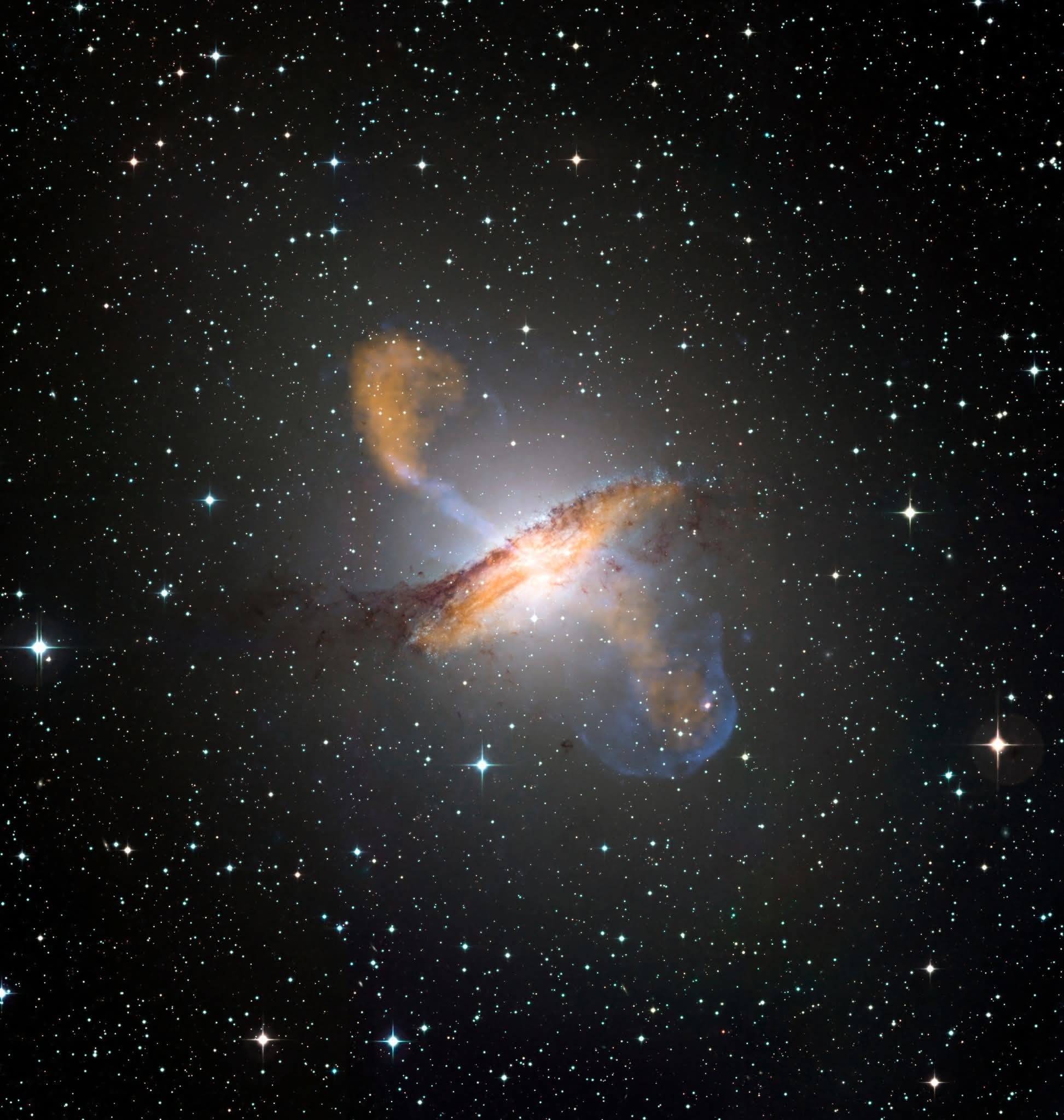

Hey stargazers and cosmic explorers! Welcome to FreeAstroScience.com, where we break down complex space science into bite-sized wonders. Today, we’re diving into something absolutely mind-blowing: how we’re using light to search for alien life. Get ready to discover the latest tech that’s revolutionizing our cosmic hunt and bringing us closer than ever to answering that age-old question: are we alone?
The Light That Could Lead Us to Aliens
Decoding Alien Signatures
Ever wondered how we could spot life on a planet we can’t even visit? The answer lies in spectroscopy – our cosmic detective tool. When light passes through a planet’s atmosphere, it creates a unique fingerprint that can reveal the presence of life-indicating molecules like oxygen, methane, and other biosignatures. Think of it as reading an alien planet’s chemical DNA!
AI: Our New Cosmic Assistant
Here’s something super cool: artificial intelligence is now joining our search party! The SETI Institute has partnered with the National Radio Astronomy Observatory to create an AI-powered system that’s already identified eight potential alien signals that traditional methods missed[1]. While these might be false positives, it shows how AI is leveling up our search game.
Next-Gen Tech Taking Center Stage
Advanced Detection Methods
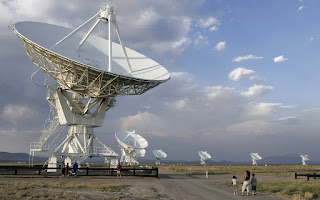
The Very Large Array (VLA) in New Mexico is getting a major upgrade that will make it the most powerful radio technosignature search machine ever built. Imagine being able to search a volume of space a thousand times larger than what we can currently explore – that’s what we’re talking about!
Photonic Revolution
Scientists are now using astrophotonics – a fancy way of saying “space light tech” – to make our search more precise. These tools can help us:
- Block out starlight to see planets better
- Break down light into tiny components for analysis
- Make space instruments smaller and more efficient
What We’re Looking For
Natural Signs
We’re scanning for:
- Large amounts of oxygen
- Methane combinations
- Other chemical markers that could indicate biological processes
Artificial Signatures
We’re also keeping an eye out for:
- City lights on distant planets
- Artificial structures around stars
- Unusual satellite patterns similar to our own communication systems
The Future of Our Search
The James Webb Space Telescope and upcoming Habitable Worlds Observatory are set to take our search to the next level. These incredible machines will help us study Earth-sized planets around nearby stars, potentially revealing signs of life we’ve never been able to detect before.
Wrapping Up Our Cosmic Journey
The quest to find extraterrestrial life is more exciting than ever, fam! With AI, advanced light analysis, and revolutionary telescopes on our side, we’re getting closer to potentially making the discovery of a lifetime. Keep your eyes on the skies – the next big breakthrough could happen any day now!
Remember to follow us @FreeAstroScience for more mind-expanding space content and join our community of cosmic explorers. Together, we’re unlocking the universe’s biggest mysteries, one light signature at a time!