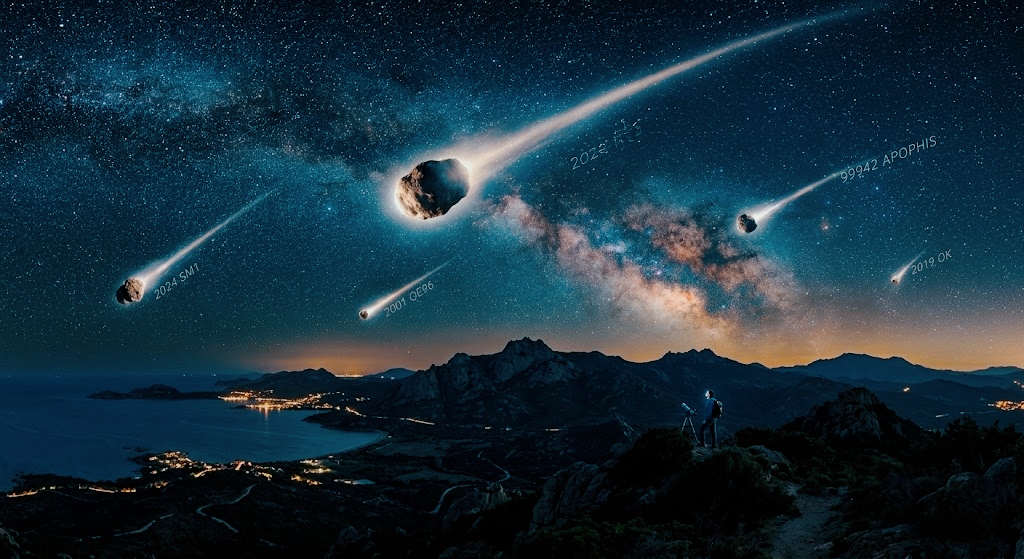
The night sky will soon be illuminated by the Eta Aquarids meteor shower, a celestial event composed of debris trailing from the famous Halley’s comet. While this annual occurrence typically provides a significant display of shooting stars, astronomical conditions this year present a notable challenge for observers. A bright moon is expected to interfere with the visibility of the shower, potentially obscuring many of the fainter streaks of light as they enter the atmosphere.
The celestial remnants of Halley’s comet: observing the Eta Aquarids
Meteor showers occur periodically as the Earth passes through the dense trails of dust and rock left behind by comets or asteroids in their orbits around the sun. When these fragments collide with the terrestrial atmosphere at immense speeds, they incinerate, creating the brilliant flashes of light often referred to as falling stars. While isolated meteors can be seen under dark skies on any given night, these organized showers offer a predictable and far more spectacular experience for enthusiasts.
The current display is specifically linked to the legacy of Halley’s comet, which completes an orbit around the sun approximately every 76 years. Although the comet itself will not return to the vicinity of Earth until the year 2061, the debris it has shed over centuries continues to intersect with our planet’s path annually. This connection to one of history’s most renowned astronomical bodies adds a layer of significance to the observation of the Eta Aquarids.
Hemispheric variations and the impact of lunar interference
The intensity of the meteor shower varies significantly depending on the geographical location of the observer, with the southern hemisphere generally receiving the most impressive view. Under ideal conditions, those situated in southern latitudes can expect to witness approximately 50 meteors per hour during the peak of the event. However, the presence of a waning gibbous moon, which will be at 84% fullness, is likely to reduce these sightings by half.
For those residing in the northern hemisphere, the spectacle is anticipated to be much more subtle and less frequent. Astronomers suggest that observers in northern regions will likely see fewer than 10 meteors per hour even during the most active period. Teri Gee, the director of the Barlow Planetarium, confirms that the visual impact diminishes the further north an observer is positioned, making the event a primary highlight for those in the south.
The timing of the peak is scheduled to occur between Tuesday evening and Wednesday morning, representing the best opportunity for viewing. Despite the diminished rates in the north, the event remains a point of interest for the scientific community and amateur stargazers alike. The primary obstacle remains the natural light pollution from the moon, which threatens to wash out the smaller, less luminous fragments as they burn up.
Practical strategies for optimal meteor viewing
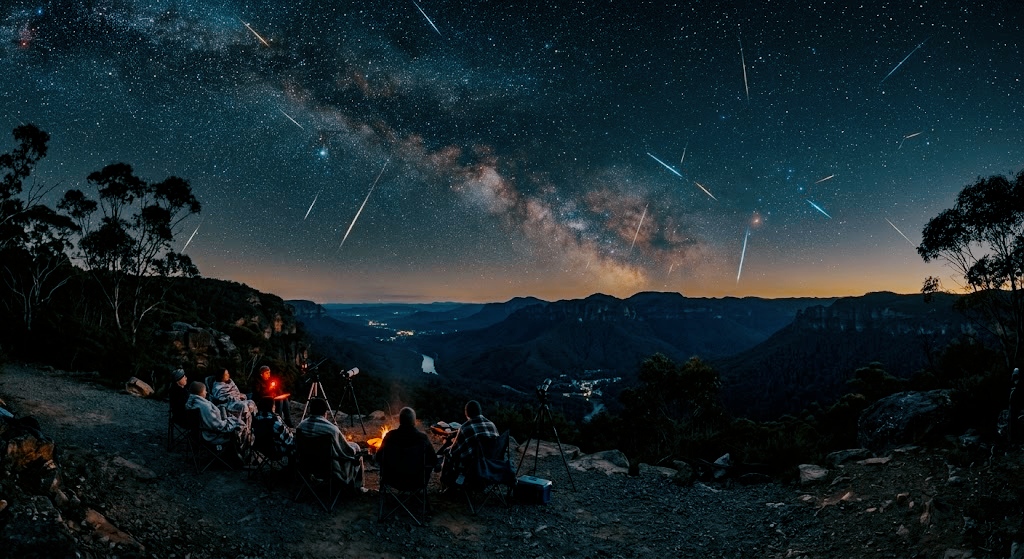
To maximize the chances of a successful viewing experience, observers are encouraged to venture outdoors shortly before the break of dawn. It is essential to seek out locations that are far removed from the artificial glow of city lights and the obstructions of tall urban structures. Finding a specific vantage point that manages to obscure the bright moon may further improve the ability to detect the moving streaks against the dark sky.
Preparation is key to enjoying the event, as the human eye requires a significant amount of time to adjust to total darkness. Enthusiasts are advised to bring blankets and comfortable seating while strictly avoiding the use of mobile phones or other light-emitting devices during the session. By allowing the eyes to acclimate, observers become much more sensitive to the sudden, fleeting movements that characterize a meteor’s entry into the atmosphere.
Observers should focus their gaze toward the east, specifically in the vicinity of the constellation Aquarius and the bright star known as Eta Aquarii. Astrophysicist Nico Adams notes that these meteors often appear as quick flashes in one’s peripheral vision, lasting only a fraction of a second. Looking for these rapid streaks provides a sense of personal discovery, as each sighting represents a direct encounter with ancient cosmic debris.
The intrinsic value of direct astronomical engagement
There is a unique quality to experiencing a meteor shower in person that cannot be replicated through digital media or photographs. Engaging directly with the night sky allows individuals to connect with the broader mechanics of the solar system in a tangible way. According to astronomical experts, the act of spotting a meteor creates a profound sense of wonder that stems from the feeling of personal discovery.
This educational opportunity highlights the intersection of history and science, as viewers watch particles from a famous comet interact with the Earth’s environment. Such events serve as a reminder of the cyclical nature of our universe and the predictable patterns of celestial bodies. Even with the logistical difficulties posed by the moon this year, the effort to witness the shower fosters a deeper appreciation for the wonders of the cosmos.
Ultimately, the Eta Aquarids represent more than just a visual display; they are a bridge to the past and future passages of Halley’s comet. While the 2061 return of the comet remains decades away, its remnants provide a recurring chance for humanity to look upward and reflect. Despite the atmospheric and lunar challenges, the pursuit of these shooting stars remains a rewarding endeavor for those willing to brave the early morning cold.
For more information, visit the official NASA website.